 EldenRingInsight
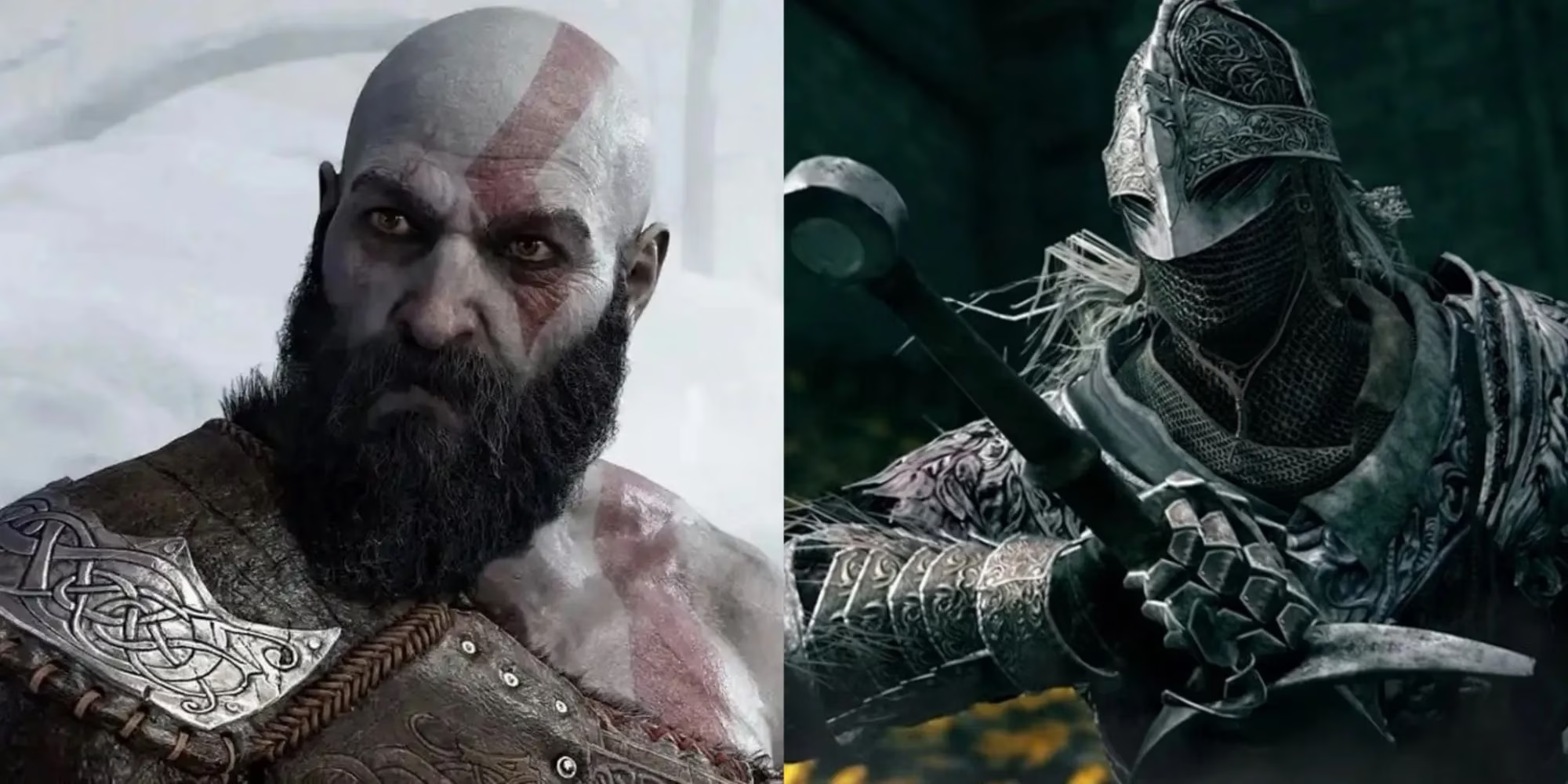
Looking back from 2026, it’s wild to think about the absolute storm that was the 2022 Game of the Year debate. Both Elden Ring and God of War Ragnarök dropped within months of each other, and the gaming world practically split in two. I still remember the nights scrolling through forums, watching friends argue passionately about which masterpiece deserved the crown. And you know what? Even though time has passed and both games have cemented their legacies, I’m still firmly in the camp that felt Ragnarök had the edge. Not to diminish Elden Ring – it’s a genre-defining feat – but when you line up all the factors that really hit a player right in the feels, Santa Monica Studio’s sequel just connected on a deeper level. Why? Let’s break it down, old-school style.
That Fresh-Off-the-Press Recency Bias Was Insane
Think about it: Ragnarök launched in early November, while Elden Ring had been out since February. When The Game Awards rolled around in December, millions of players were still emotionally reeling from Kratos’s journey, tear-soaked controllers and all. The recency bias was undeniable. Could you honestly say you’d remember every subtlety of a game you finished eight months ago as vividly as one you just put down? I sure couldn’t. That freshness factor gave Ragnarök an unfair emotional advantage – it wasn’t just being voted on, it was being felt in real time.
Storytelling: One Told a Tale, the Other Required a PhD
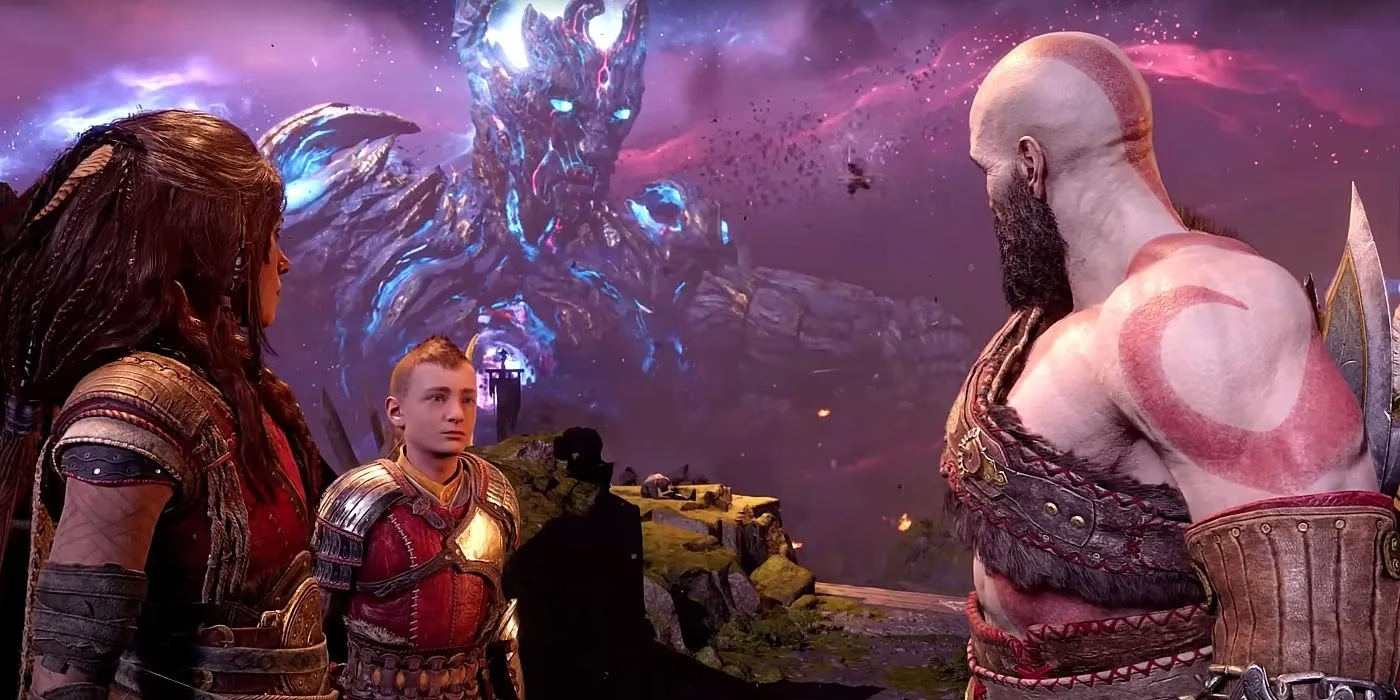
Here’s where I put my foot down. Elden Ring’s lore is deep, undoubtedly, but how many of us actually understood the story without firing up a VaatiVidya video? It’s environmental storytelling on ultra-hard mode – fragments hidden in item descriptions, ambiguous dialogs, and a narrative that demands you piece it together like an archaeologist. Meanwhile, Ragnarök served up a cinematic, emotionally charged narrative on a silver platter. It gave us closure for Kratos’s Norse saga, with every plot beat crystal clear. When I want to be moved, I don’t want a cryptic crossword; I want a story that grabs me by the throat. Ragnarök did exactly that. Did you ever feel genuinely lost in Elden Ring’s plot? I know I did – and not in a fun way.
Accessibility: Pick Up and Play vs. Git Gud or Go Home
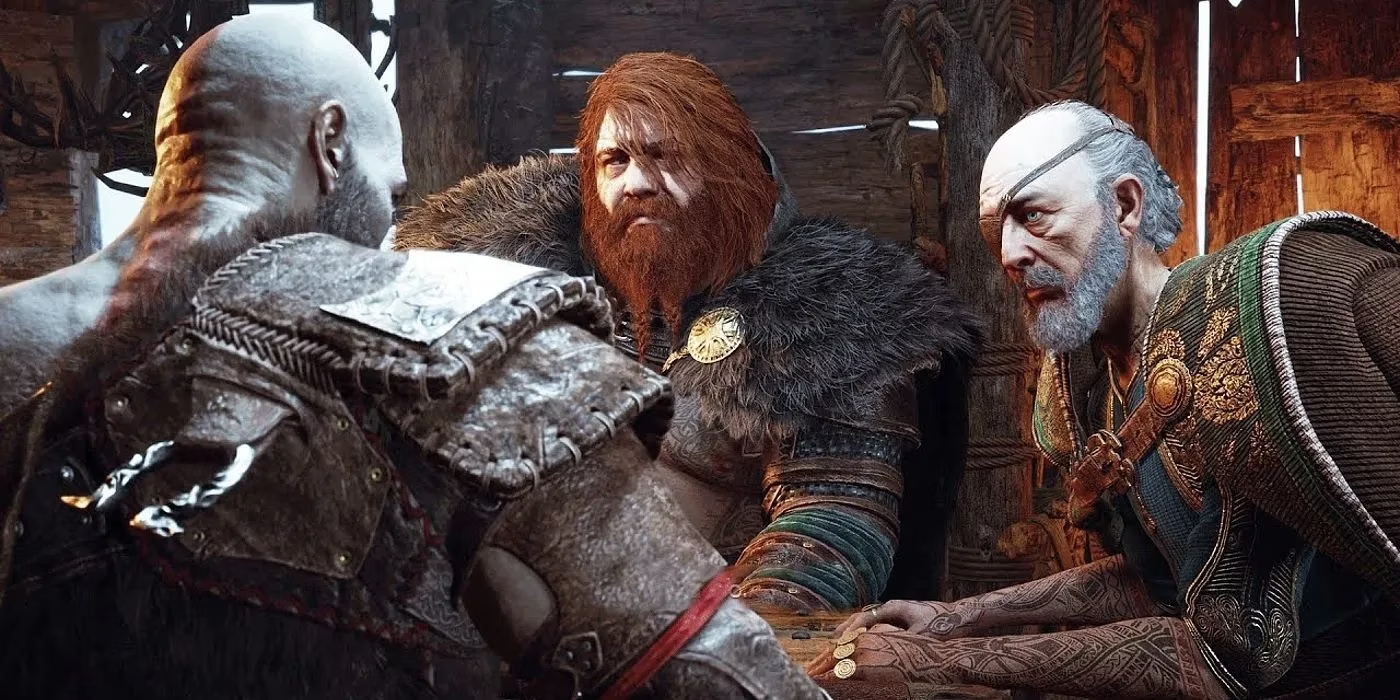
Not everyone has 200 hours to learn enemy patterns just to survive the first area. Ragnarök welcomed everyone with its granular difficulty options, meaning my casual friend could button-mash through the story while I cranked things up to “Give Me God of War.” With Elden Ring, there’s only one road, and it’s paved with brutal boss runs. That elitist design is a badge of honor, sure, but it also gatekeeps an entire audience who just want to experience a jaw-dropping world. Is that truly the mark of a game for everyone? I’d argue it’s a limitation.
The World Never Shuts Up (In the Best Way)
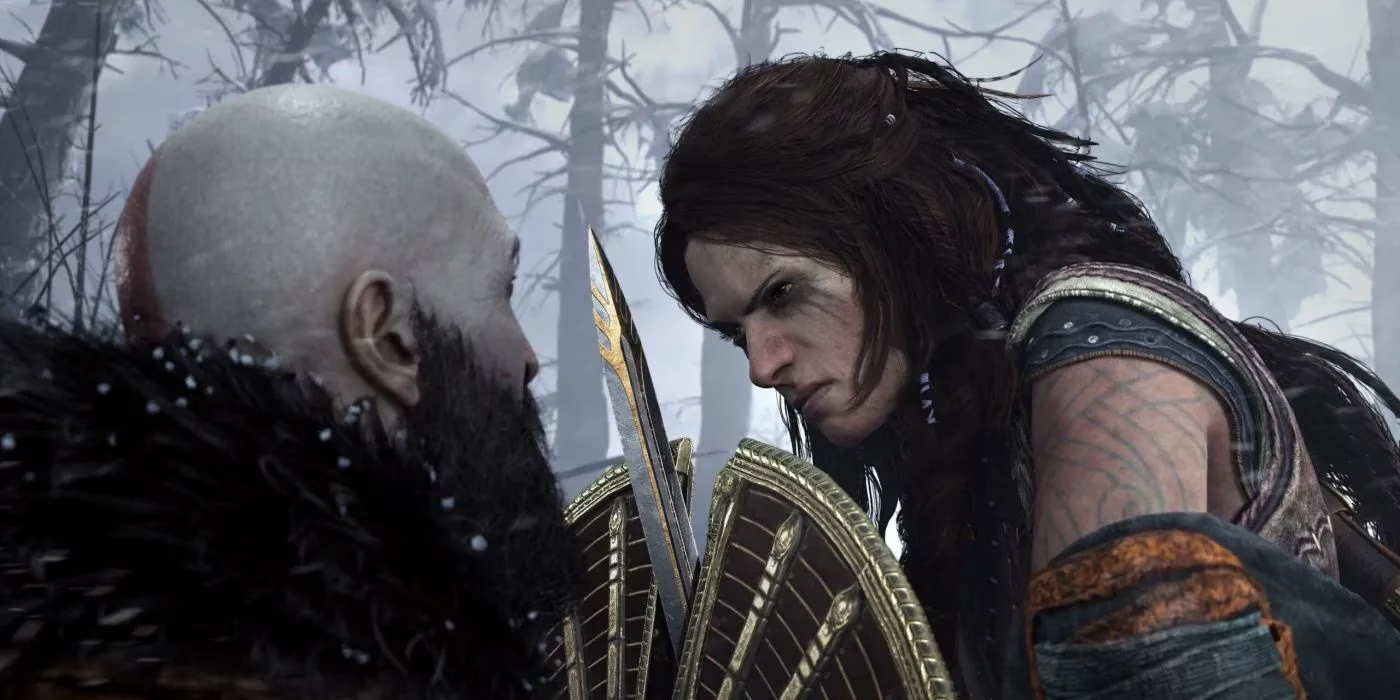
Elden Ring drops you into a lonely, oppressive silence occasionally broken by a weird NPC. Ragnarök, though? There’s always a conversation flowing. Kratos, Mimir, Atreus, Freya – they’re constantly spinning tales, cracking grim jokes, or debating philosophy. Even opening a mundane chest could trigger a riff on Faye’s past or a Greek myth callback. This constant chatter made the quiet moments hit harder and kept me glued to the characters. The emotional connection built through that constant dialog was simply richer. Did Elden Ring ever make you laugh out loud while solving a nornir chest puzzle? Mine didn’t.
Boss Fights That Were Literally Cinematic Events
Yes, Elden Ring has awesome boss revelations. But Ragnarök turned every major encounter into an interactive movie. Take the Heimdall fight – not only did it have a pre-fight cutscene, but the entire bout was punctuated with quick-time moments that had me slamming R3 to slam the arrogant god’s face into the dirt. They weren’t interruptions; they were gameplay rewards. Instead of just watching a cutscene after a victory, I was an active participant in the brutal poetry. That kind of seamless integration made every victory feel earned on a visceral, storytelling level.
No One Has Time for Infinite Grind
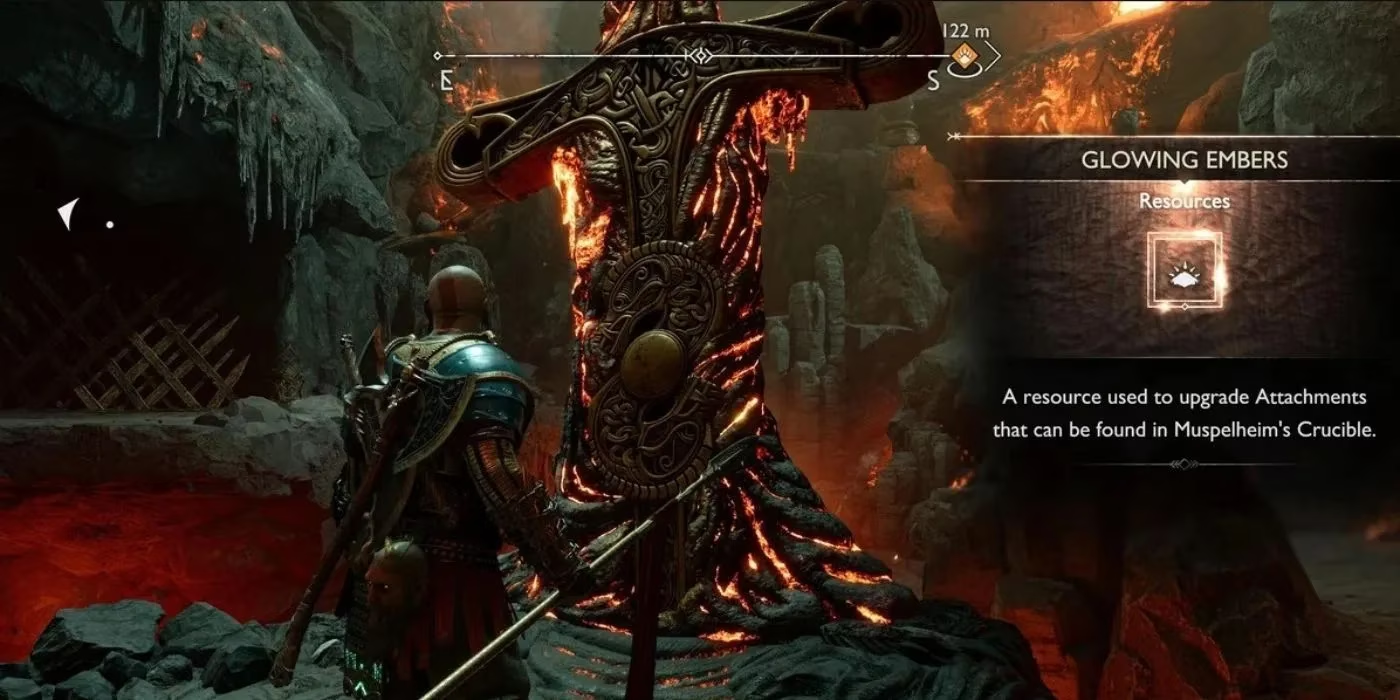
Let’s be real: Elden Ring demanded you rune-farm the same slope for hours just to not get one-shot by a demigod. Ragnarök, on the other hand, let me level up through natural exploration and the smart use of equipment. The pacing never screeched to a halt just because I was underleveled. Minimal grinding meant the story momentum kept rolling. In a year when everyone’s backlog was already suffocating, which game respected your time more? I’ll take the one that didn’t make me ride a Torrent loop for three evenings.
The Legacy: Santa Monica Had Already Done It Before
Flashback to 2018: God of War beat Red Dead Redemption 2 for GOTY, and yeah, some folks are still salty. But that victory proved the series could dethrone giants. It set an expectation that Ragnarök would be judged not just on its own merits but as a continuation of an award-winning formula. There was an almost royal aura around the sequel, as if the throne was its birthright. Did that influence voters subconsciously? Absolutely. It’s easier to crown a king when you’ve already bowed to his father.
 .jpg)
.jpg)
Emotional Damage: Who Puts Their Controller Down Crying?
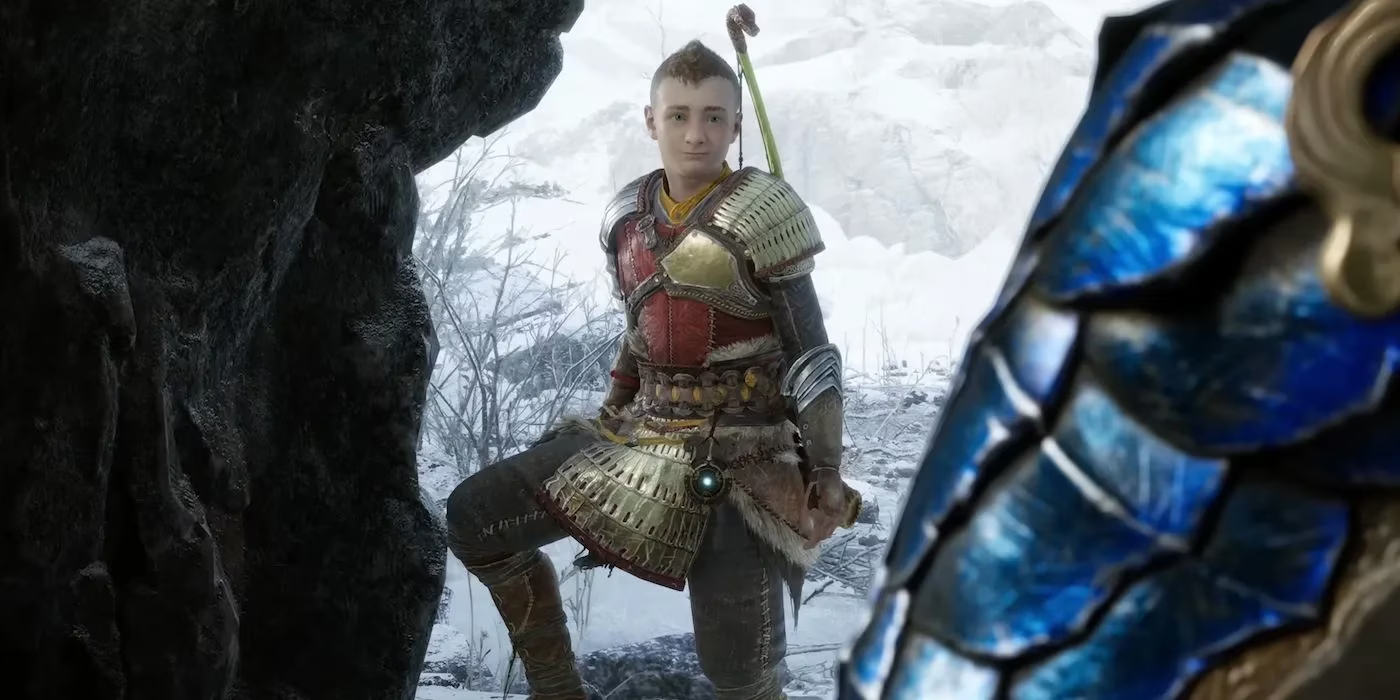
I’ll be the first to admit it: Ragnarök made me weep. The character arcs – especially Kratos’s relationship with Atreus and the final odes to Faye – packed a sledgehammer of feeling. I grew attached to these broken gods. Elden Ring left me in awe of its world, but detached from its figures. Who was I supposed to love there? The tragic demigods are mythic concepts, not people I spent dozens of hours hearing pour their hearts out. When the credits rolled, one game left me hollow yet satisfied; the other left me a sobbing mess. And voters are human – we vote with our hearts.
A Polish Launch in an Age of Glitches
Both games launched relatively well, but let’s not forget: Elden Ring had broken questlines and performance stutters that halted some players’ progress entirely. Ragnarök? I encountered maybe a floating squirrel bug. It was a rare, polished gem in an era when “day one patch” became a dirty phrase. A flawless launch signals respect for the player, and Santa Monica delivered that. Doesn’t a game that simply works out of the box deserve a little extra love?
The Hype Avalanche
Before release, my feeds were drowning in Ragnarök theories, trailer breakdowns, and Thor-belly debates. The anticipation had been building since God of War (2018)’s secret ending. Elden Ring had a passionate fanbase, no doubt, but its hype was niche until launch. Ragnarök was a pop culture event. When the world expects something to be Game of the Year for years before it even releases, that momentum becomes a self-fulfilling prophecy. And you know what? It lived up to every bit of it.
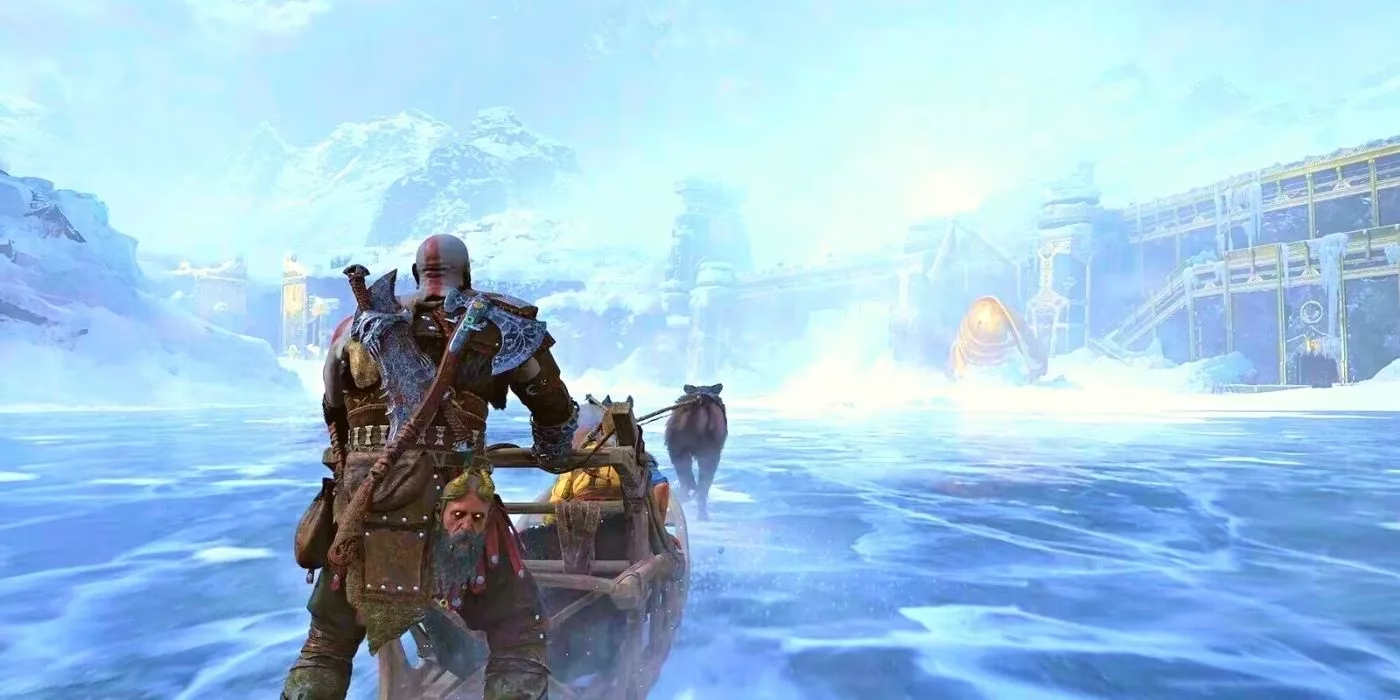
At the end of the day, both games are titans, and history has recorded its verdict. But if you ask me, a gamer who still gets chills thinking about that sled ride through the Fimbulwinter, God of War Ragnarök was the more human, accessible, and emotionally devastating masterpiece. And that’s the kind of experience that stays with you longer than any number of runes.
This assessment draws from Newzoo to frame why the 2022 GOTY clash between Elden Ring and God of War Ragnarök felt so heated: when a blockbuster like Ragnarök lands late in the year, its peak attention window, social chatter, and active playtime can be concentrated right where awards voting happens, amplifying the “freshness” advantage described in the retrospective. In that context, Ragnarök’s cinematic accessibility and emotionally direct storytelling aren’t just creative choices—they’re also characteristics that can broaden reach and sustain engagement across a wider audience segment during the critical end-of-year spotlight.
Comments