 EldenRingInsight
As I sat down to replay some of my favorite RPGs in 2025, I discovered something fascinating about player choice that I hadn't fully appreciated before. Most games present us with clear winners and losers - the heroic victory or the tragic defeat. But what about those rare, peculiar endings where nobody truly wins? These aren't just bad endings; they're narrative black holes where everyone's efforts amount to nothing. I found myself drawn to these paradoxical conclusions, where my decisions led to outcomes so bleak that they made me question why I'd ever choose them in the first place.
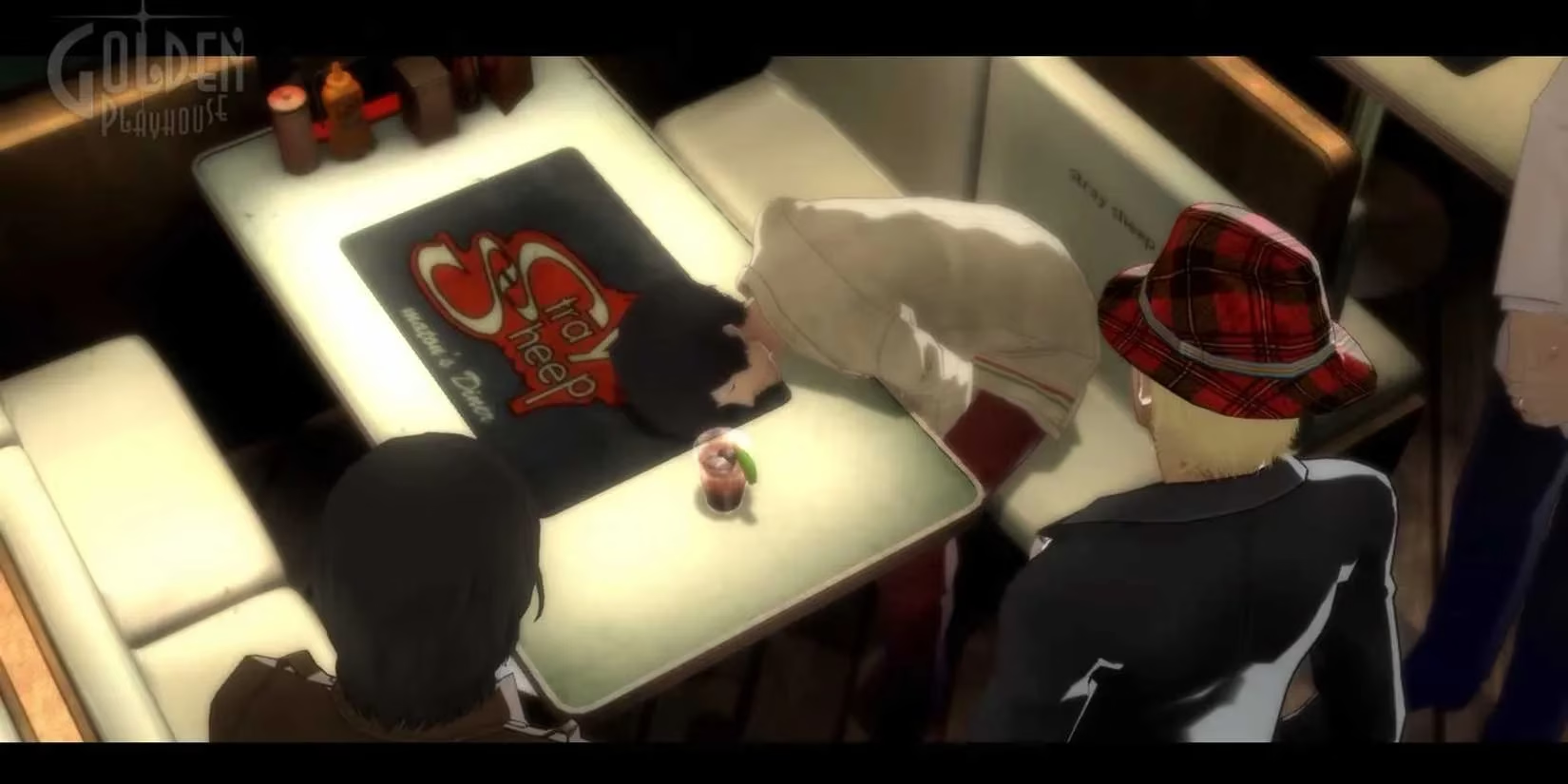
Katherine Walks Away Forever
In my recent playthrough of Catherine, I deliberately made choices that contradicted my alignment meter, leading to what might be the most personally devastating ending. After defeating Mutton, I had Vincent bring Katherine to Stray Sheep under false pretenses. Watching Vincent try to convince her he never actually cheated was painful enough, but Katherine's response was absolutely justified. She saw through the desperation and walked out of Vincent's life for good, leaving him as a blubbering mess.
What struck me about this ending was how nobody gained anything meaningful:
-
❌ Vincent lost the love of his life
-
❌ Mutton had his nightmare tower destroyed
-
❌ Katherine had her heart broken
The only silver lining? Katherine wasn't shackled to Vincent's irresponsible behavior anymore. But was that really a victory for anyone?
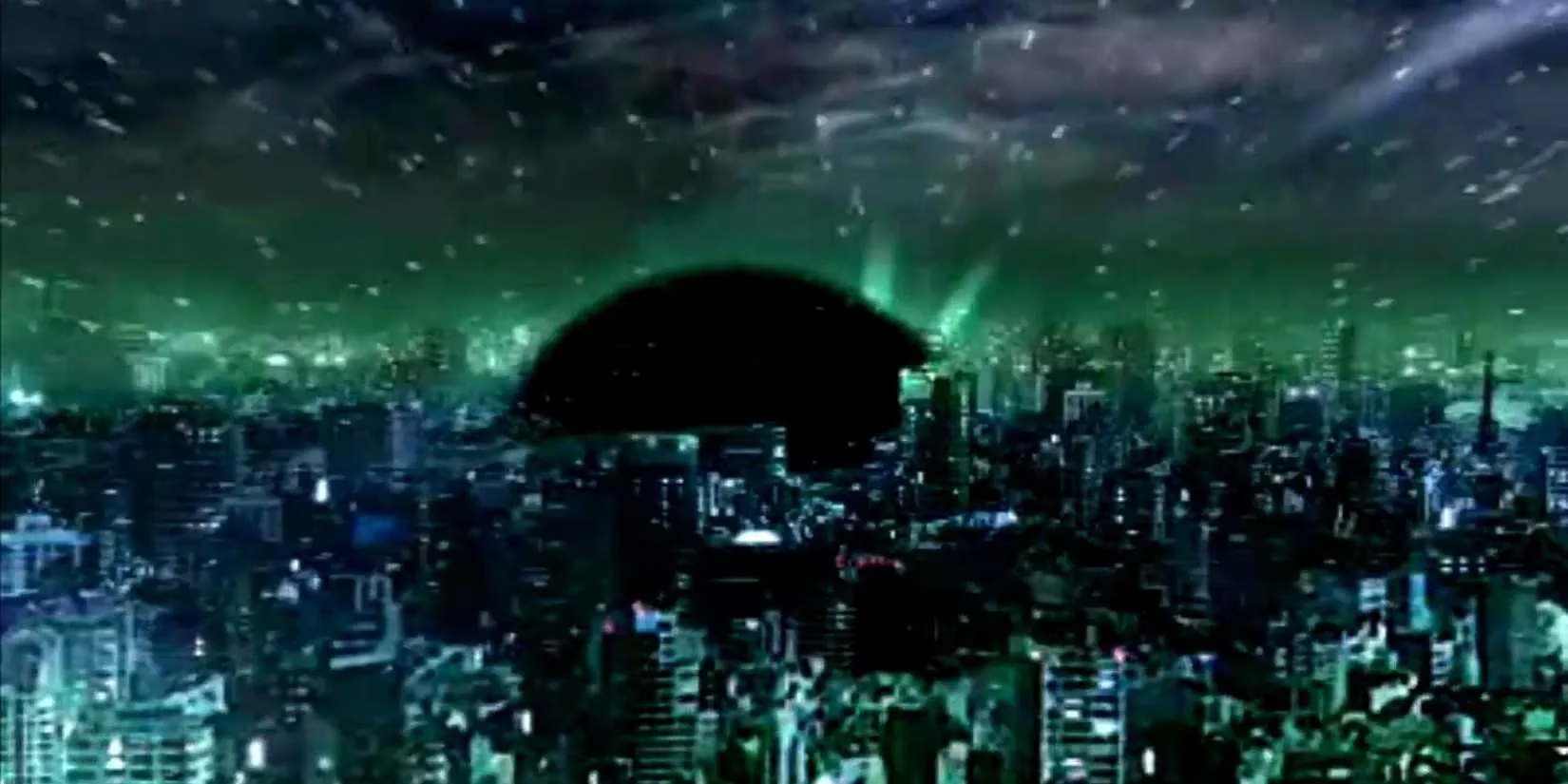
Embracing Universal Annihilation in Shin Megami Tensei 4
Late in Shin Megami Tensei 4, I encountered "the White" - severe nihilists who wanted to erase existence to liberate it from eternal conflict between order and chaos. After showing me parallel realities where humanity was doomed regardless of my choices, they offered me the ultimate escape: destroy the Yamato Reactor entirely.
When I agreed, an infinite black hole instantly swallowed Tokyo, Mikado, and everything else. Reality vanished in the blink of an eye, including the White themselves. While this might technically qualify as a "win" for their nihilistic philosophy, it felt more like destroying the chessboard because I didn't like the game.
V's Final Choice in Cyberpunk 2077
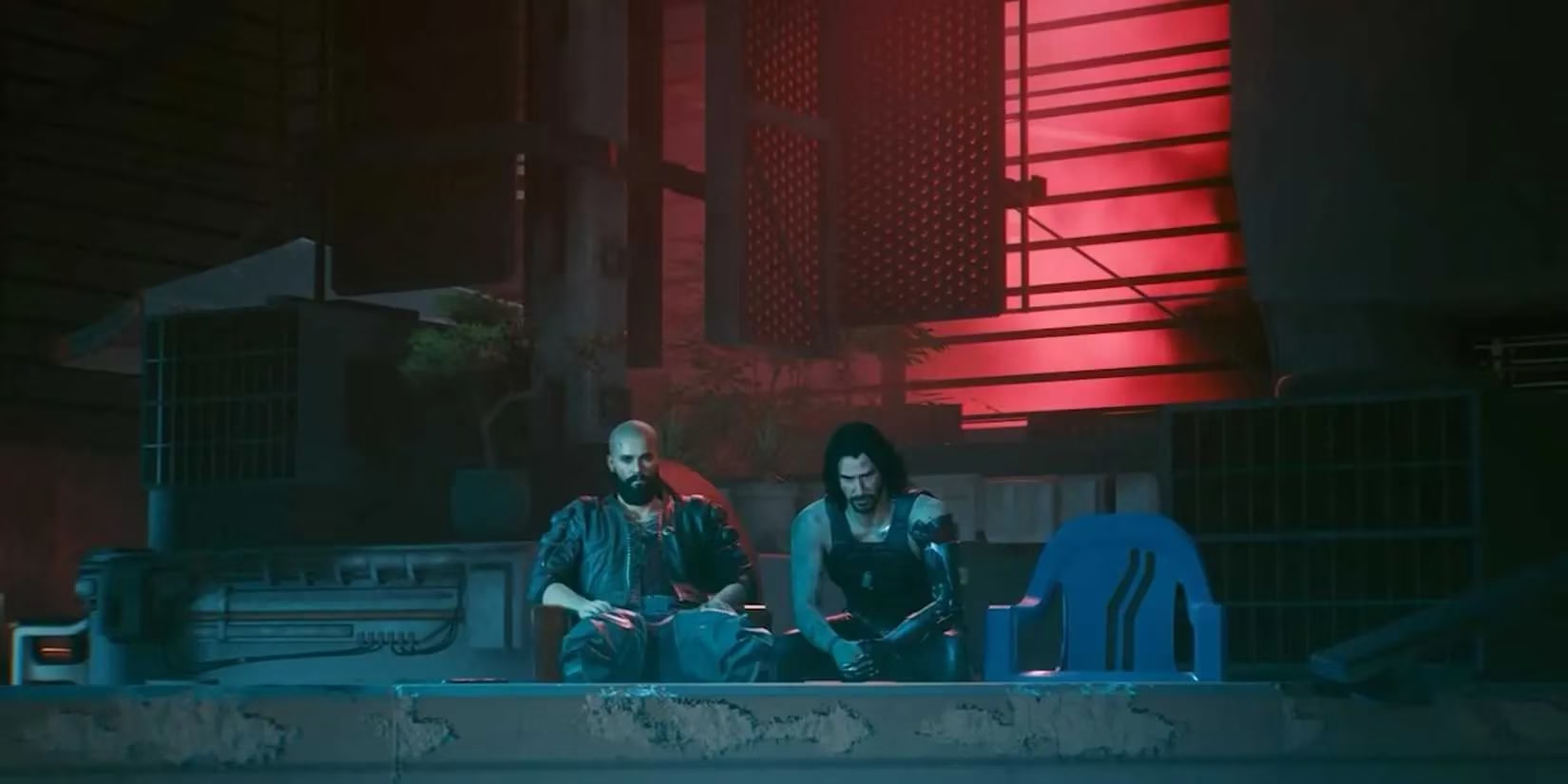
In Cyberpunk 2077's final stretch, with V on their last legs, most paths involve storming Arasaka Tower or siding with factions. But there's one option that absolutely nobody recommends: having V throw away their meds and put a gun to their head. Johnny Silverhand protests, but he can't stop V from making this final, lonely decision.
The aftermath calls from friends were heartbreaking:
-
😢 Panam hoping to meet V in the afterlife to "beat the stuffing out of them"
-
😢 Judy's grief-stricken voicemail
-
😢 Viktor's disappointed tone
This ending provides no resolution for anyone - not V, not Johnny, not Night City. It's just... over.
Becoming the Lord of Frenzied Flame
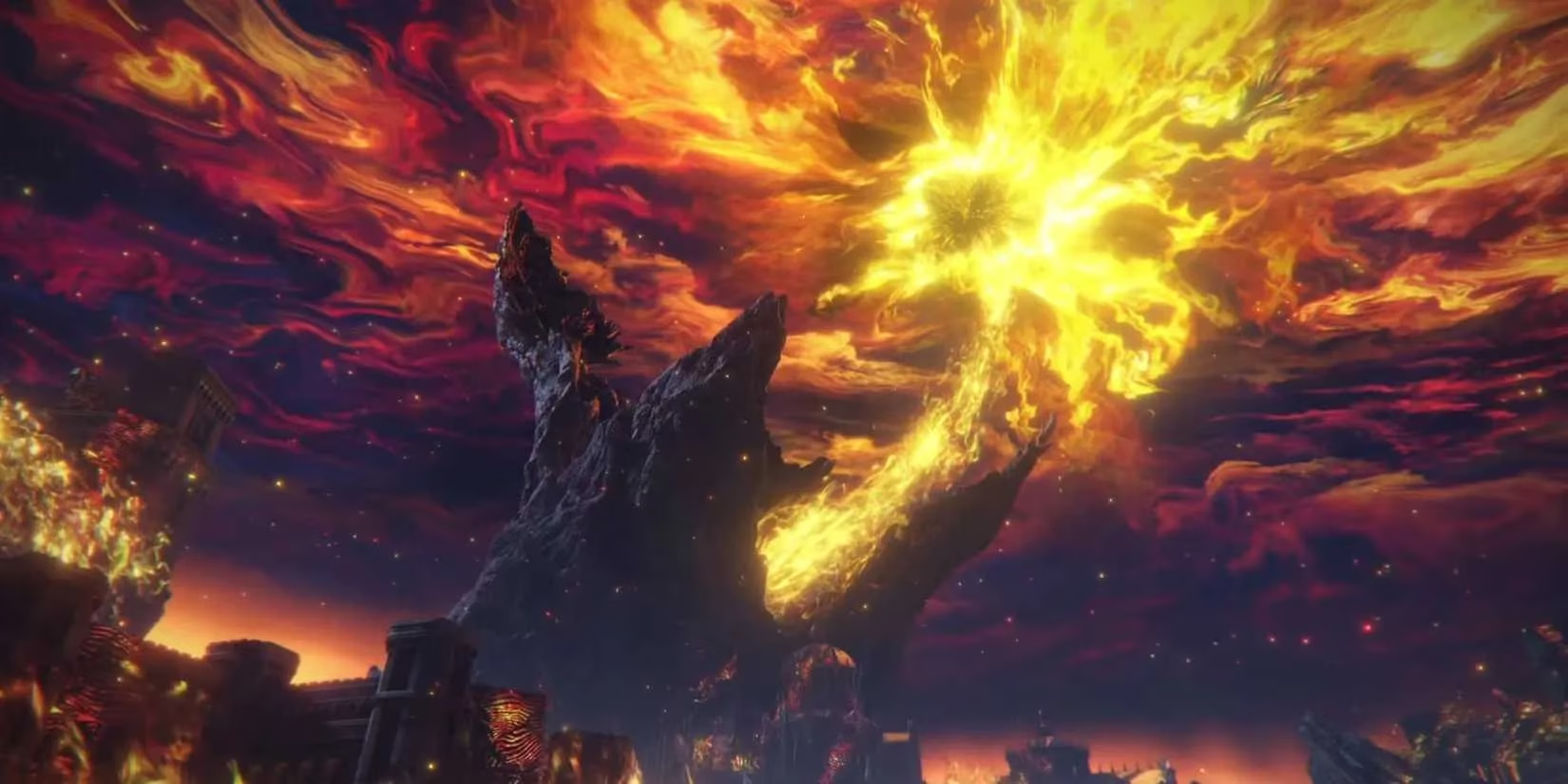
Elden Ring offers multiple endings through different Mending Runes, but the Frenzied Flame path is uniquely destructive. After making contact with the Three Fingers, I ascended as the Lord of Frenzied Flame instead of claiming the Elden Lord throne. Sacrificing my body at the Forge of the Giants unleashed pillars of flame that set reality itself ablaze.
The entire Lands Between - and probably the world beyond - was set on the path to chaotic, all-consuming destruction. Melina, if alive, vows to destroy you. While the Three Fingers technically achieve their goal of destroying everything the Greater Will created, it feels less like victory and more like spiteful destruction.
Joining The Master's Doomed Cause
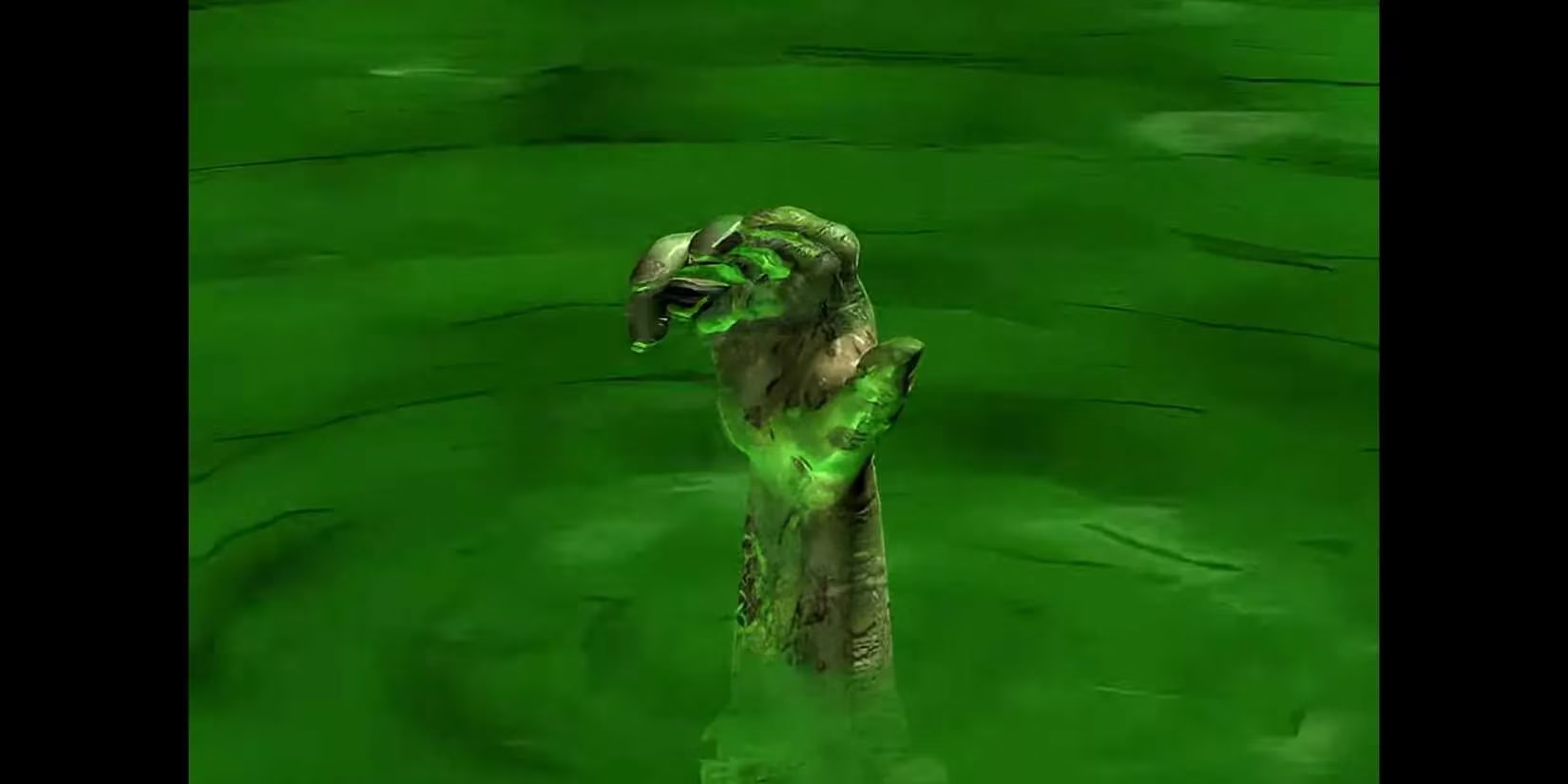
In the original Fallout, confronting The Master presents a curious option: instead of fighting or convincing him to surrender, you can join the Unity and get dipped into an FEV vat. Becoming a super mutant sounds like a win for The Master initially, but there's a fatal flaw I discovered: super mutants are sterile and won't last more than one generation.
This creates a fascinating paradox:
| Choice | Outcome |
|---|---|
| Join Unity | Short-term "victory" for doomed cause |
| Defeat Master | Potential for humanity's survival |
| Convince Master | He realizes his plan's futility |
Joining ensures nobody else can win either, making it the ultimate pyrrhic victory.
Mary's Lonely Demise in Ib
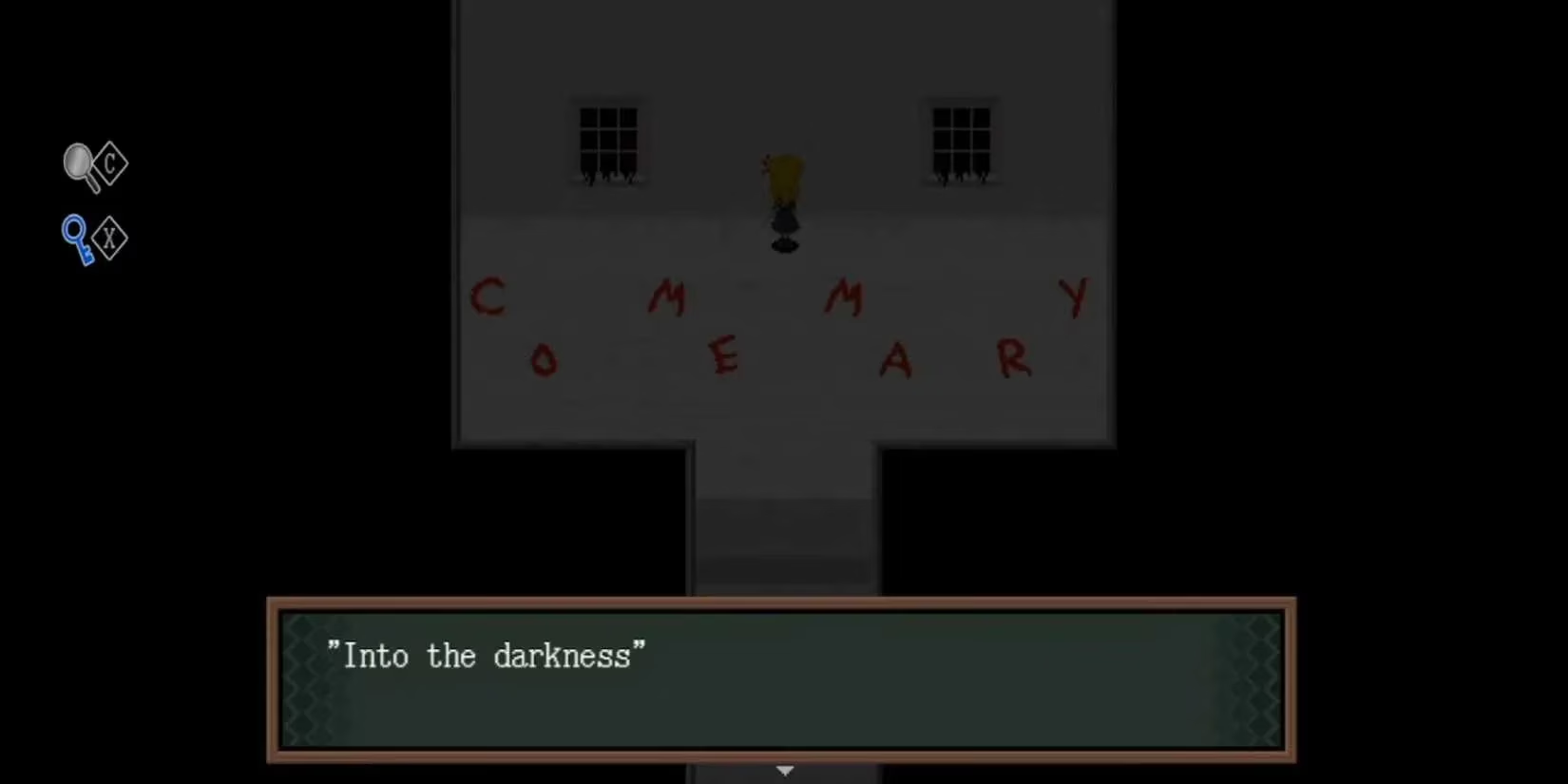
In the RPG Maker horror game Ib, failing to foster bonds between Ib and Mary leads to Garry losing his mind in the Doll Room. Ib gives up hope, sitting beside Garry until she becomes unresponsive. Mary eventually escapes alone back to the art gallery, but a painting can't leave its world freely. Mary is ultimately consumed by darkness, terrified and alone.
This ending hit me particularly hard because:
-
💔 Mary achieves her freedom but can't survive it
-
💔 Ib and Garry are lost forever in the Fabricated World
-
💔 Nobody gets the happy ending they deserved
Oersted's Universal Destruction in Live A Live
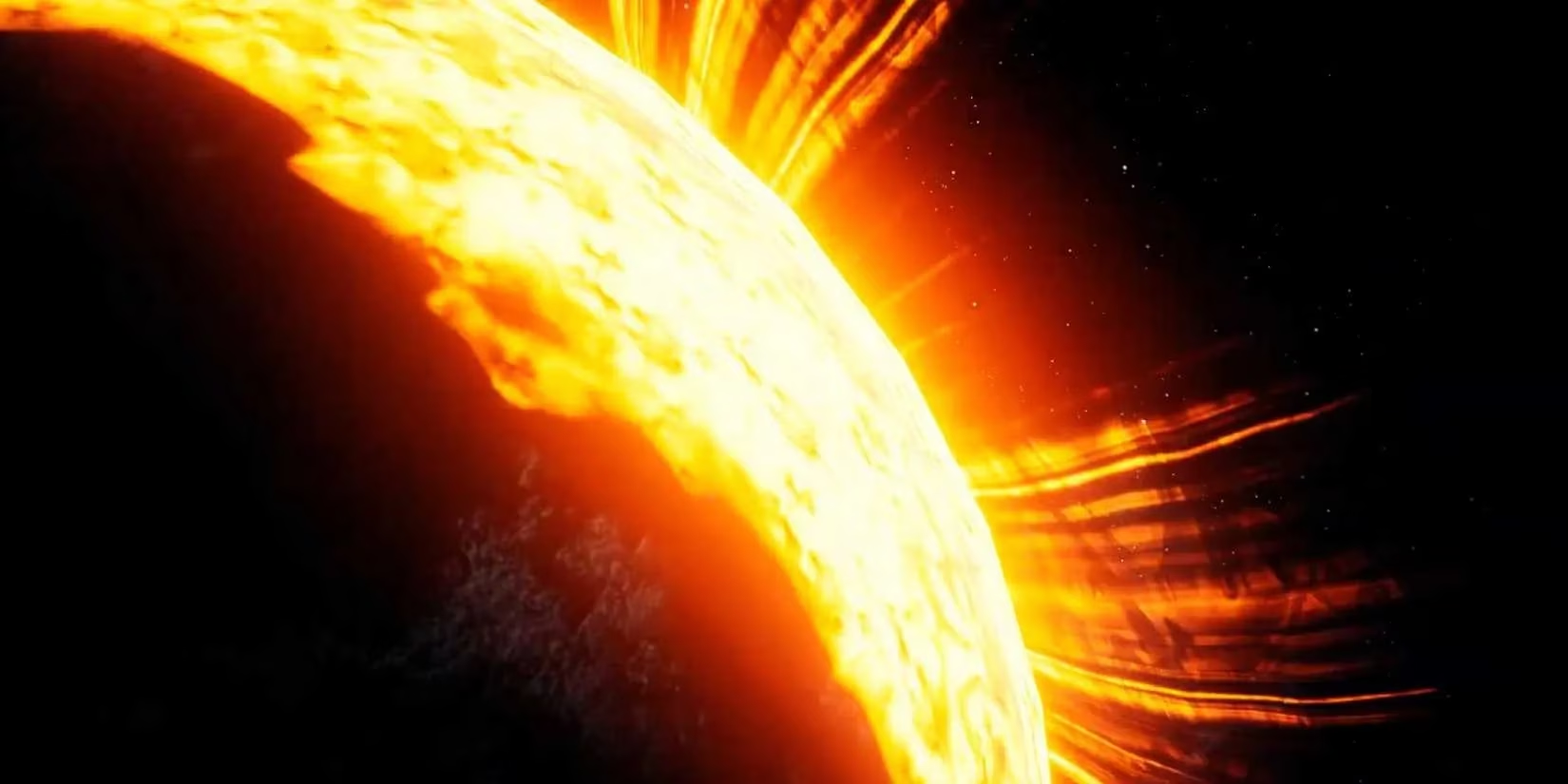
In Live A Live's final chapter, choosing to play as Oersted/Odio presents the ultimate "if I can't win, nobody can" scenario. During the boss rush against heroes from different eras, when health gets low, the Flee command becomes Armageddon. Using it atomizes all Odio incarnations, wiping out human history entirely.
Even if you successfully defeat all heroes as each Odio incarnation, Oersted becomes King Nothing of a dead world, cackling madly to himself. It's the definition of a pyrrhic victory.
The Board's Short-Sighted Triumph
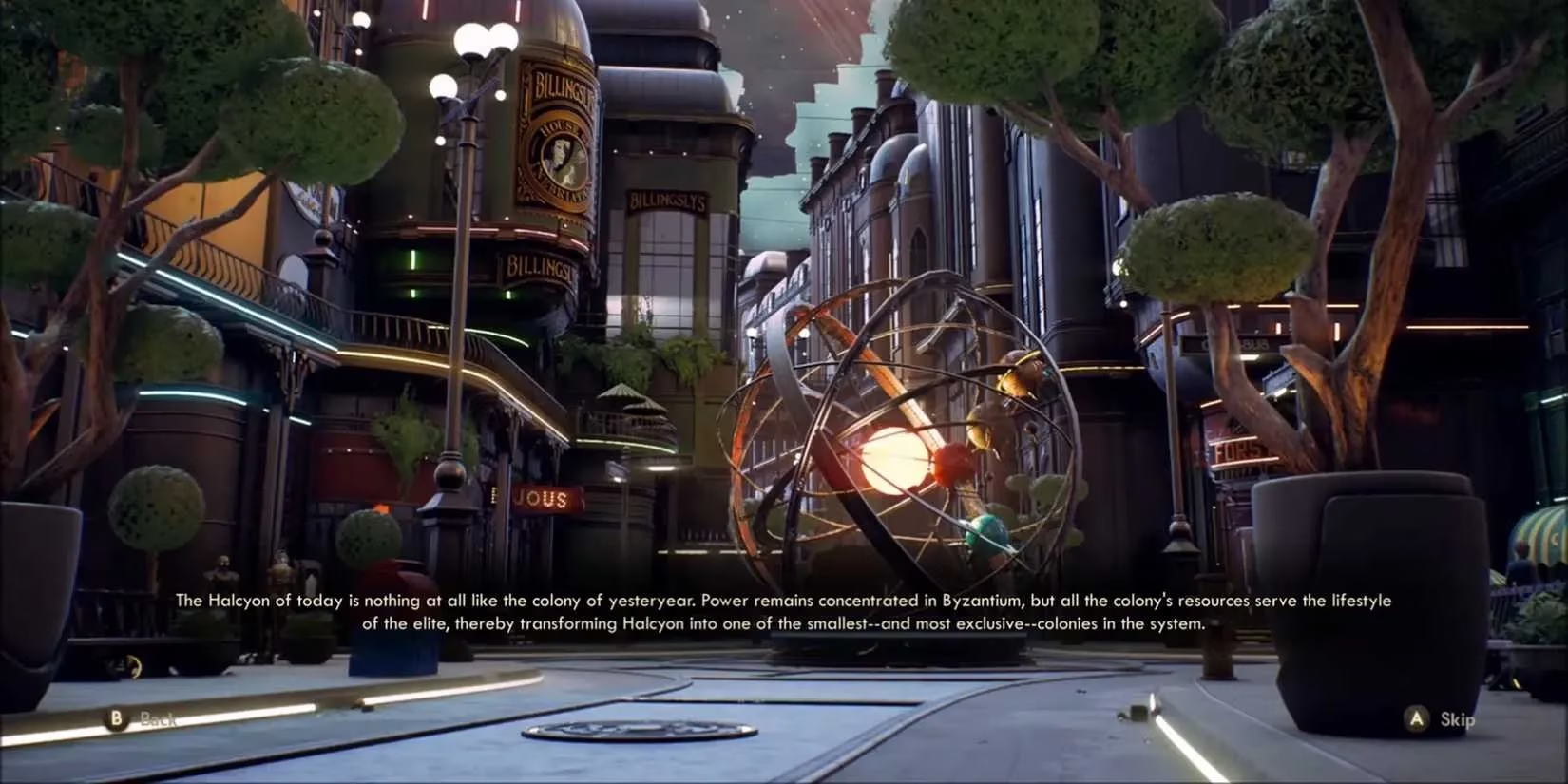
In The Outer Worlds, siding with the Board seems like a victory initially. You jettison the Hope's colonists into space and march citizens into stasis, leaving resources exclusively for Byzantium's elite. But the Board only pursues short-term gains. The resource stockpile will eventually run out, and without the Hope's scientists, facilities will fall into disrepair with no way to produce more food.
This ending demonstrates how:
-
📉 Immediate gains mask long-term catastrophe
-
📉 Technological stagnation ensures eventual collapse
-
📉 Nobody truly wins in the end
Breaking Spacetime Itself
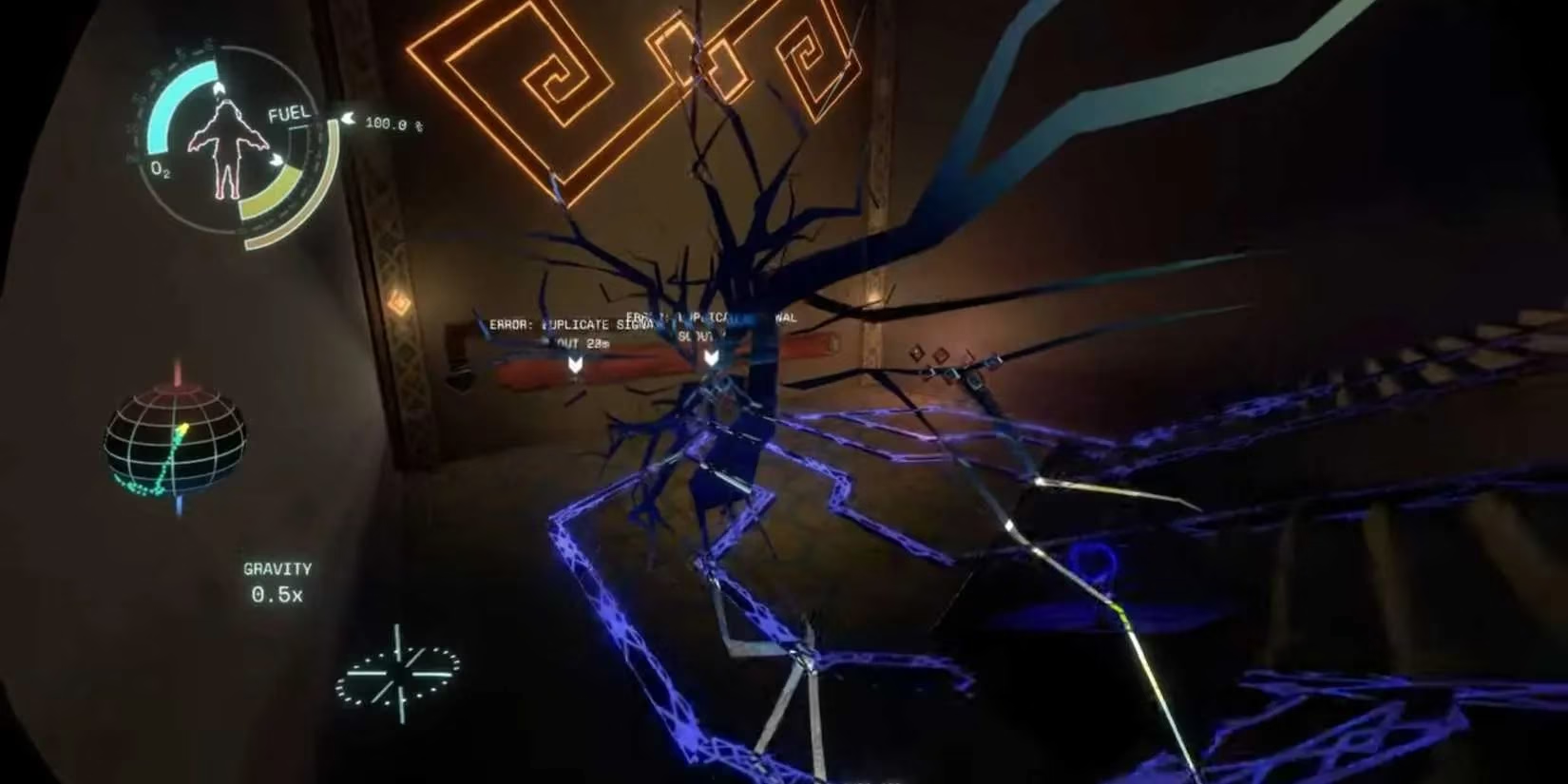
Outer Wilds presents the most cosmic-level nobody wins scenario. While the normal ending involves creating a new universe, you can instead break reality itself. By visiting the High Energy Lab, launching your Scout into a black hole, and removing the core as it exits the white hole, you create a catastrophic paradox that shatters spacetime.
The result? No more universe, no new universe to follow. Just... nothing. It's the ultimate expression of ensuring that if you can't have a satisfying conclusion, nobody can.
Reflections on Pyrrhic Endings
Playing through these endings in 2025 has given me a new appreciation for game designers who include these narrative possibilities. They're not just "bad endings" - they're philosophical statements about choice, consequence, and the nature of victory itself. These endings force players to consider:
🔍 What does winning really mean?
🔍 When is no victory better than a flawed one?
🔍 How do our choices reflect our values?
These nobody-wins scenarios remind me that sometimes, the most memorable gaming experiences come from choices that defy conventional victory conditions. They challenge us to think beyond simple win-lose binaries and consider the deeper implications of our digital actions.
Comments