 EldenRingInsight
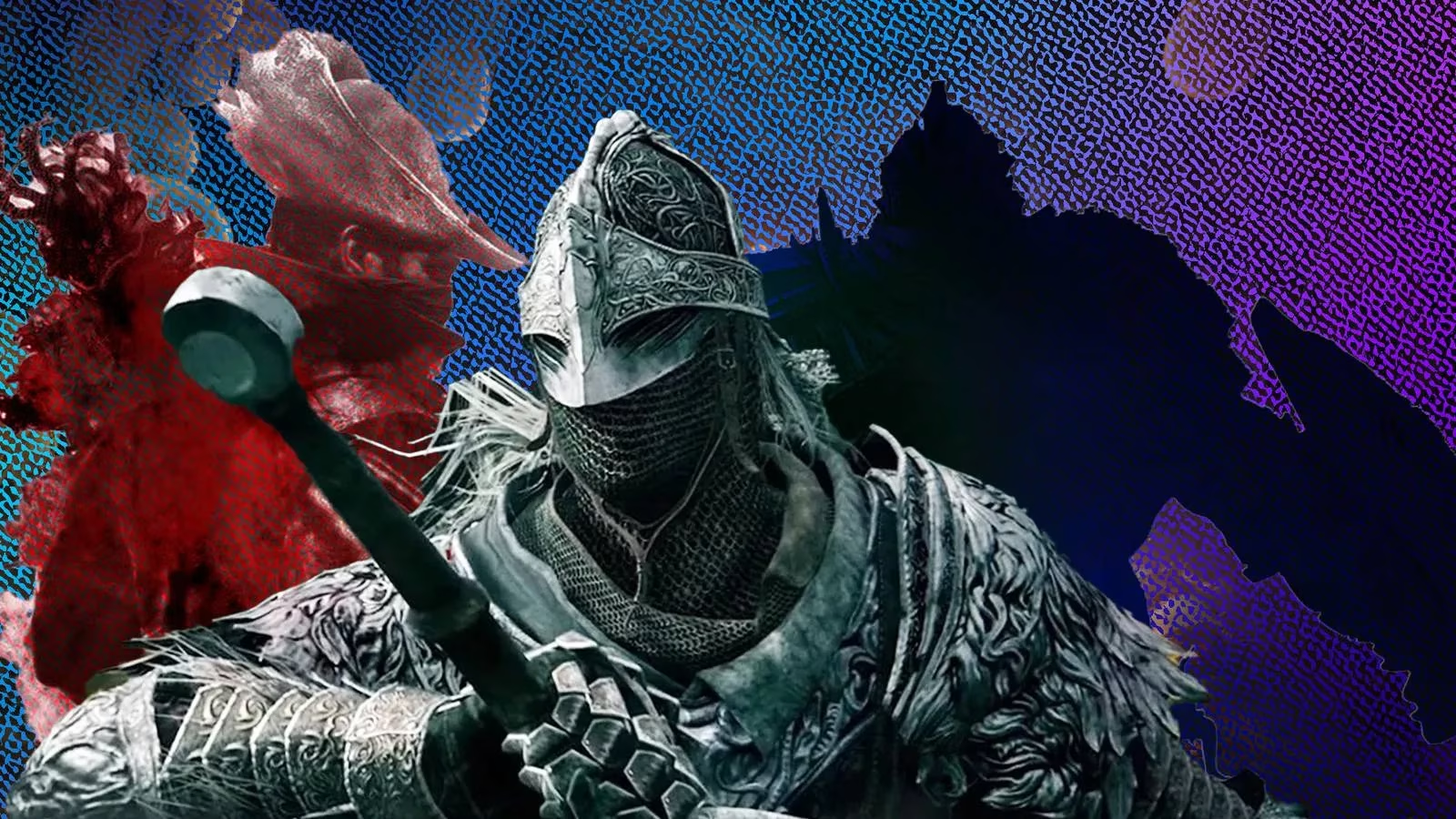
In the vast, interconnected realm of video games, a distinct and formidable presence has carved its name into the annals of interactive artistry. FromSoftware, the developer behind the notoriously challenging Dark Souls, Bloodborne, and the 2022 phenomenon Elden Ring, has cultivated a reputation that transcends mere entertainment. Its creations are often described as 'counter-casual,' a term that speaks to their deliberate inaccessibility and the unique covenant they forge with a dedicated player base. For those who have never ventured into these worlds, the prospect of relentless, hours-long boss battles can seem like an insurmountable barrier, a test of patience rather than skill. Yet, this very barrier is the cornerstone of FromSoftware's philosophy—a philosophy that elevates its games from mainstream products to contested pieces of digital art, where every design choice, including the conspicuous absence of a pause button, is a brushstroke in a larger, uncompromising vision.
The Unyielding World: A Design of Deliberate Hardship
The core of the FromSoftware experience is an unflinching commitment to a specific atmosphere—one of constant vulnerability and earned triumph. This is most palpably felt in a seemingly basic feature that is conspicuously absent: a functional pause menu. Unlike the vast majority of contemporary AAA titles, playing a FromSoftware game, even entirely offline and solo, does not grant the player a reprieve. A ringing doorbell, a crying child, or a simple biological need can mean the difference between victory and a crushing defeat, forcing a complete restart of a grueling encounter. This is not an oversight but a calculated design pillar. The studio prioritizes an unbroken, immersive tension, arguing that the possibility of safety would shatter the carefully constructed feeling of a hostile, living world. The common player retort to complaints about this system—a torrent of 'git gud'—underscores the cultural divide it creates: one between those who accept the rules of this harsh universe and those who find them exclusionary.
Artistic Intent Versus Universal Accessibility
This deliberate inaccessibility prompts a profound question about the nature of video games as a medium. By choosing immersion and artistic consistency over user-friendly convenience, FromSoftware positions its works closer to 'art objects' than universally approachable games. The experience itself becomes the primary product. Much like avant-garde cinema or surrealist art, which may alienate viewers seeking straightforward narratives, these games demand a specific engagement. Their lore is not handed to the player but hidden in item descriptions, environmental storytelling, and cryptic dialogue. One can conquer the final boss and still grasp only fragments of the world's profound, melancholic history. This intentional obscurity and the high skill floor act as a barrier to entry, analogous to the cultural or educational barriers often associated with high art. The core audience, those who have persevered through the trials, often vehemently defend these principles, viewing suggestions like an easy mode or a pause function as dilutions of the creator's pure artistic intent.
The Aesthetics of Atmosphere and Unspoken Narrative
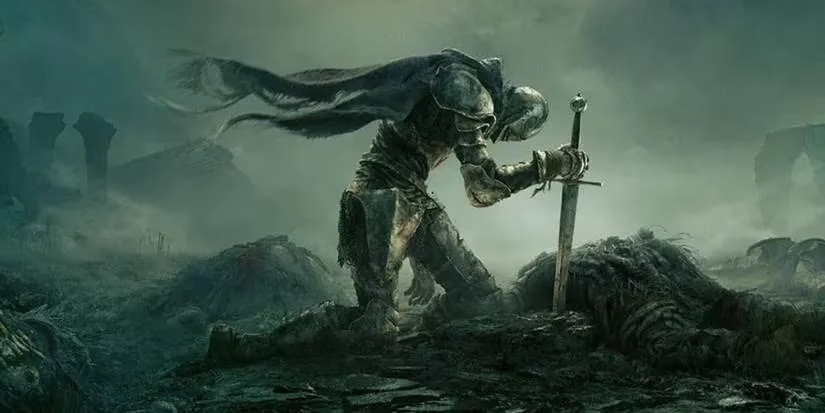
The artistic comparison extends beyond difficulty to the very fabric of the worlds themselves. FromSoftware games are masterclasses in atmospheric dread and sublime beauty. They utilize:
-
Environmental Storytelling: Crumbling castles, forgotten graves, and decaying cities tell silent tales of fallen kingdoms and cosmic despair.
-
Diegetic Design: Nearly every element, from the user interface to multiplayer messages, is woven into the game's reality, sustaining the illusion.
-
Ambiguous Lore: Stories are presented in fragments, encouraging community collaboration, theory-crafting, and personal interpretation, making the narrative a participatory act.
This focus on mood and implication over explicit plot mirrors experimental horror films like Skinamarink, where feeling and disorientation are the primary tools. In this niche, confusion is not a flaw but a feature—a means to deepen the player's emotional and sensory investment.
The Market Niche of Intentional Alienation
Paradoxically, this strategy of alienating the broader market has become FromSoftware's greatest strength. By publicly framing its games as manifestations of a singular, uncompromising artistic vision, the studio has built a brand synonymous with integrity and depth. It leverages its inaccessibility as a mark of prestige. The commercial and critical triumph of Elden Ring in 2022 demonstrated that a vast audience is willing to meet the game on its own terms, seeking the unique satisfaction that comes from overcoming its meticulously designed obstacles. The free market has validated this approach; there is a clear demand for experiences that do not cater to every conceivable lifestyle or skill level. For players seeking a different kind of engagement, the industry offers a boundless sea of alternatives with adjustable difficulty, robust pause functions, and more guided narratives.
Conclusion: The Value of a Singular Vision
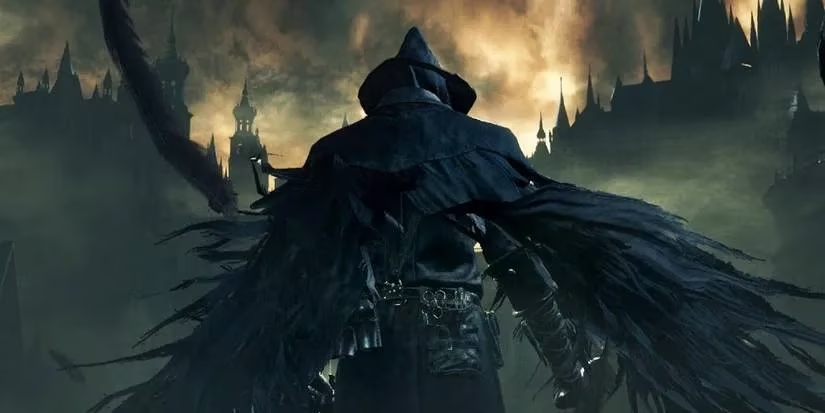
Ultimately, the discourse surrounding FromSoftware's design choices is a microcosm of a larger conversation about art, accessibility, and authorship in interactive media. The studio's unwavering commitment to its vision, one where tension is never broken and victory is never given, creates a specific, potent type of experience. It is an experience that will forever remain out of reach for some, by its own intentional design. Yet, in a creative landscape often driven by mass appeal and homogenized features, the value of such a distinct and boldly executed vision is immense. It challenges conventions, fosters dedicated communities, and expands the expressive potential of the medium itself. As we move forward, the legacy of these games will likely be measured not just by their sales figures or critical scores, but by their enduring role in arguing that a video game can be a demanding, divisive, and profoundly beautiful work of art—one where the struggle is not just part of the game, but the very heart of its meaning.
Comments