 EldenRingInsight
The Nightreign expansion introduces seven formidable Nightlords, each demanding unique combat approaches before players can face the eighth and final boss. To unlock the climax, warriors must defeat any four of these nightmarish entities - though strategic selection significantly impacts difficulty. While all encounters test combat mastery, substantial variance exists in mechanics complexity and exploitability across the roster. This tiered challenge system encourages adaptable playstyles while rewarding knowledge of elemental weaknesses and phase transitions.
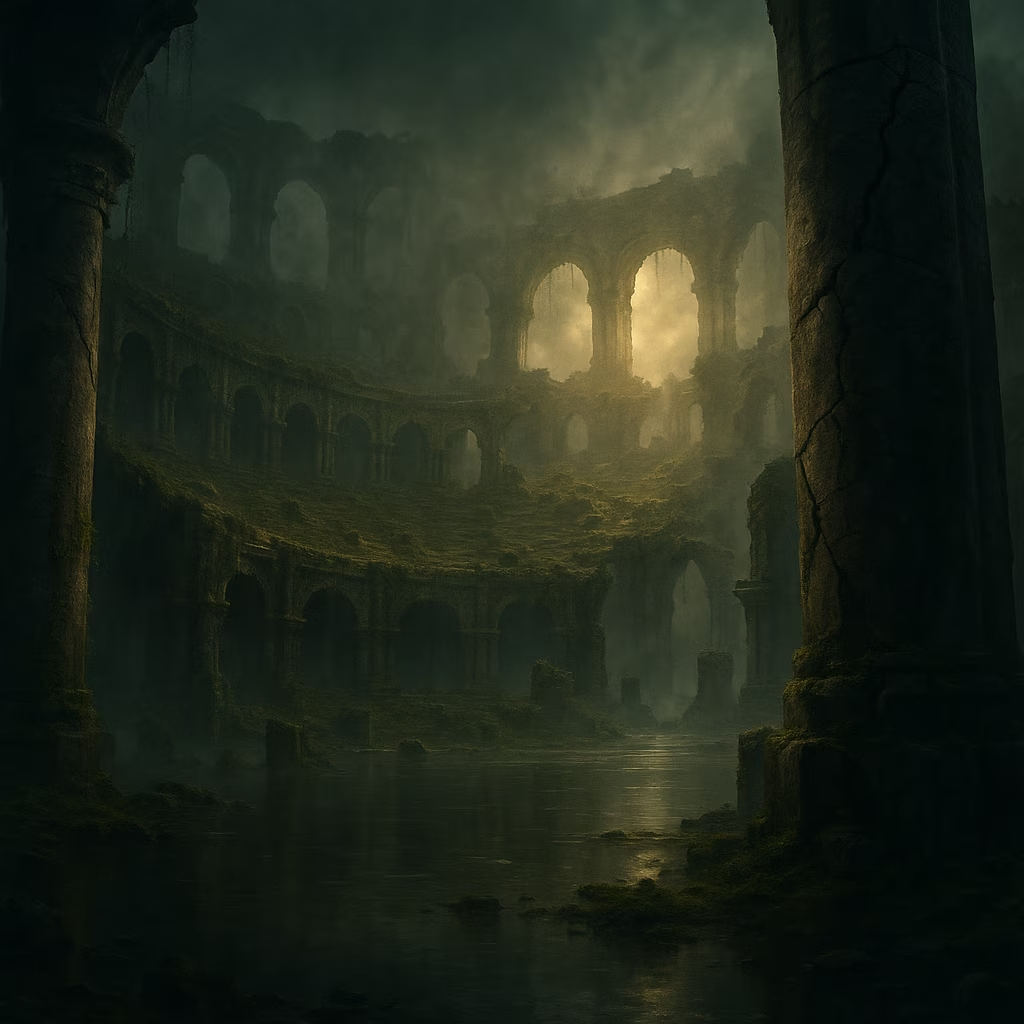
Mandatory First Step: Tricephalos Expedition
Every journey begins with Gladius, the three-headed Beast of Night. This introductory Nightlord demonstrates Nightreign's core design philosophy with multiplayer-centric mechanics posing particular solo challenges. Its signature splitting ability divides the beast into three separate entities - manageable for coordinated groups but overwhelming for lone warriors. Players frequently ask: "How to counter Gladius' split phase solo?" The solution lies in area-control spells and aggressive focusing of one head before the split completes. Despite being the gatekeeper boss, its unpredictable pincer attacks demand precise dodging and environmental awareness.
After conquering Gladius, the path branches to six additional Nightlords. Expedition selection becomes crucial here, as certain bosses offer smoother progression gates:
| Boss | Primary Weakness | Key Mechanic |
|---|---|---|
| Gaping Jaw | Poison/Frostbite | Overwhelming speed during enrage |
| Sentient Pest | Fire | Dual-target switching |
| Augur | Lightning | Skyward teardrop bombardment |
Strategic Early Targets
Three Nightlords present relatively manageable mechanics for those prioritizing efficient progression:
-
Gaping Jaw's susceptibility to dual status effects (Poison AND Frostbite) creates damage opportunities during its frenzied assaults. Applying either effect dramatically slows its devastating combos. Many wonder: "Does stacking both statuses increase effectiveness?" Surprisingly yes - the combined impairment creates rare vulnerability windows against this normally hyper-aggressive foe
-
Sentient Pest requires constant target prioritization between its airborne moth and ground-based grub forms. The grub periodically hardens its exoskeleton, forcing attention shifts. 🔥 Fire-based ranged attacks prove essential here, particularly against the evasive moth
-
Augur tests vertical combat awareness with prolonged airborne phases that nullify melee specialists. Its lightning weakness enables consistent damage, but the true danger emerges during the crystalline teardrop summoning - an attack demanding immediate interruption or precise projectile destruction
Endgame Challenges
For those seeking Nightreign's pinnacle experiences, three Nightlords deliver extraordinary spectacle at tremendous difficulty:
Equilibrious Beast demands specialized Madness-infused weapons, obtainable only from Frenzy-marked locations. Phase two introduces floating sigils that must be rapidly destroyed before empowering the boss. Groups lacking ranged capabilities face near-certain failure here. This raises an interesting dilemma: Should players farm Madness gear before attempting, potentially weakening other builds?
Darkdrift Knight transforms the arena into a lethal centaur gauntlet requiring coordinated ultimate interrupts. Its lightning vulnerability helps, but survival hinges on perfectly timed Ironeye, Wylder or Raider ultimates to cancel apocalyptic AoE charges. Few Nightreign mechanics punish delayed reactions as severely.
Most memorably, Fissure in the Fog presents Caligo - an ice dragon whose cinematic frost wave attack requires instant environmental positioning behind ice pillars. This Monster Hunter-esque mechanic provides seconds to react before instant annihilation. ❄️ Fire weapons exploit its weakness, but the real battle tests spatial awareness under pressure.
As players approach the mysterious eighth boss, an intriguing design question emerges: Does FromSoftware's decision to gate the finale behind ANY four victories (regardless of difficulty) compromise the sense of earned progression, or does it brilliantly accommodate diverse skill expressions within the Soulslike genre?
Comments