 EldenRingInsight
You know what's wild? Thinking back to 2018 when Bethesda dropped the bombshells about Starfield and The Elder Scrolls 6 at E3. TES6 was barely in pre-production then, and here we are in 2026, still waiting with bated breath. That's the norm now, right? The agonizing, years-long hype cycle. Remember Cyberpunk 2077? Announced way back in 2012, it spent eight long years teasing us with trailers and screenshots, building expectations to a fever pitch that the final game... well, let's just say it famously couldn't hold. The RPG underneath was okay, but after a decade of dreaming, the disappointment was a gut punch. It's a real problem in how games are marketed.
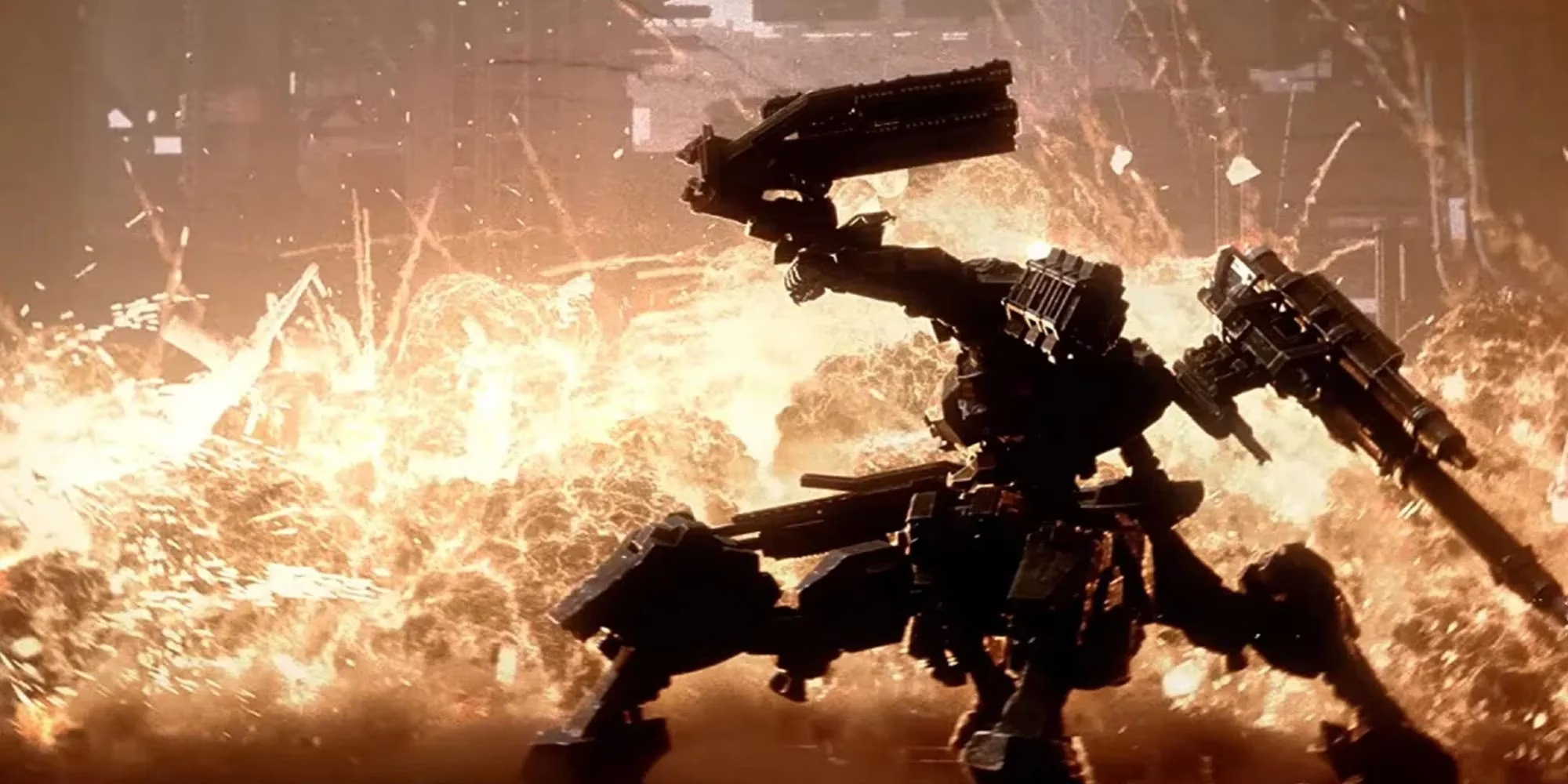
Then you have the other side of the coin. Elden Ring. Revealed after those Bethesda titans, it somehow lived up to the monumental hype. The long wait paid off with a masterpiece. But man, that was a huge gamble. That's why I'm so impressed with FromSoftware's latest move with Armored Core 6: Fires of Rubicon. They flipped the script entirely. Announced at The Game Awards in late 2022, and then bam—released just a few months later in August 2023. In the AAA space, that timeframe is basically a blink. No years of agonizing silence, no drip-fed teasers. Just: "Hey, here's a cool new game. It's out soon." And you know what? That kind of surprise is its own special brand of excitement. 😲
This approach fits Armored Core like a glove. Let's be real—despite five previous games, this series has never had the mainstream recognition of Dark Souls. Most of my casual gamer friends had never even heard of it before AC6. Dark Souls is a household name; Elden Ring's hype festered in our collective consciousness for years. Armored Core? Crickets. But the beauty of a short announcement is it cuts through that. The pitch becomes simple and immediate: "New FromSoftware game. Giant customizable robots. Out in a few months." No need for a decade-long lore deep dive. Just pure, unadulterated mecha action on the horizon.
You might think a longer lead-up would help an obscure series, giving people time to play the old games and get invested. I considered an Armored Core marathon myself! But with only three months until launch? Yeah, that wasn't happening. Instead, I did what any sane person in 2026 does: I watched a YouTube recap of the entire series. What did I learn? Plot is secondary; big robots are everything. The games had janky controls, weird cameras, and brutal difficulty. Sounds... familiarly FromSoft, doesn't it?
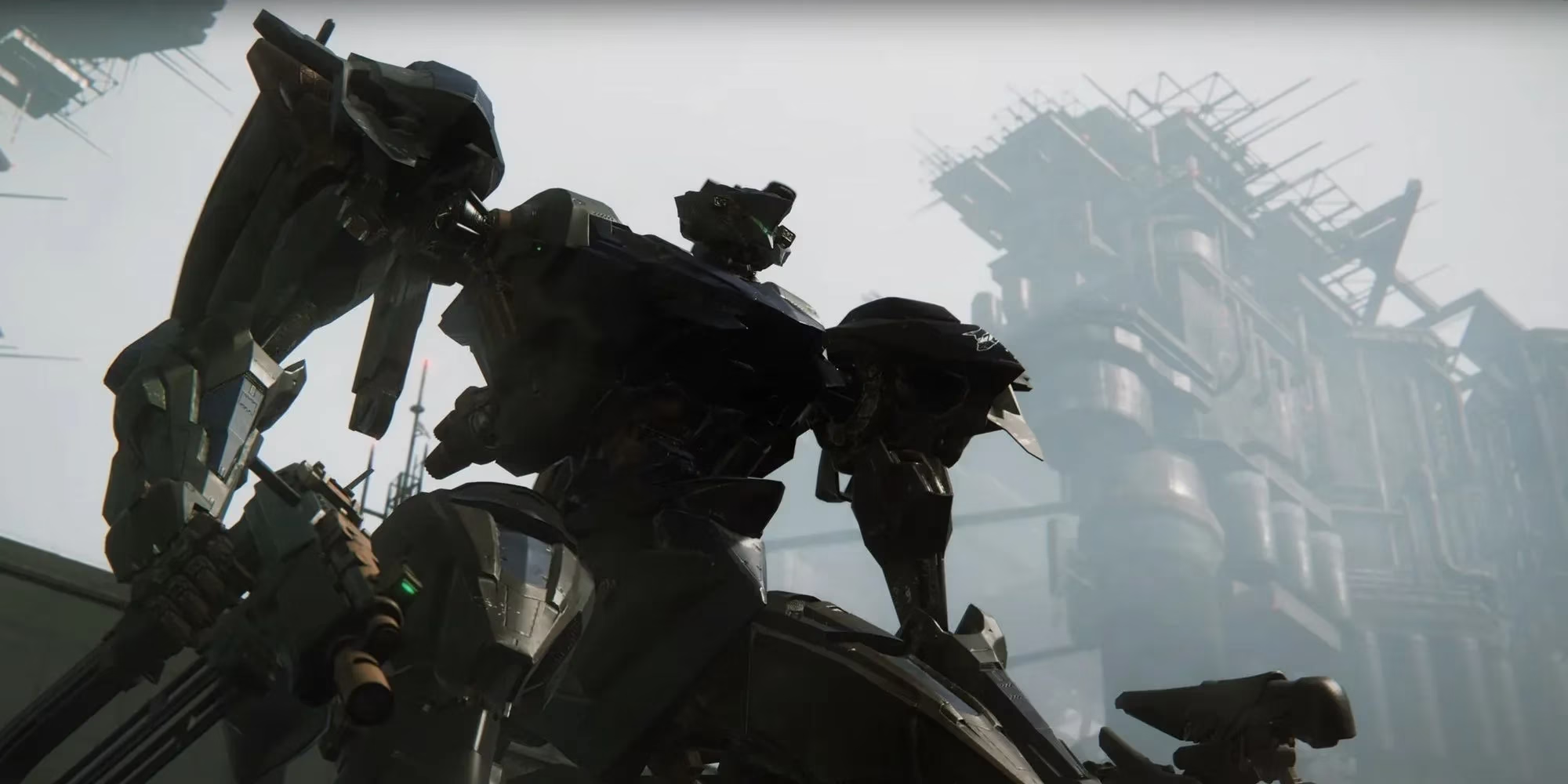
And that's the secret sauce. This strategy brilliantly manages expectations. When you announce a game years in advance, the fan theory machine goes into overdrive. People dream up features, stories, and mechanics that the developers never intended. The hype becomes a runaway train, and the eventual release often can't bear the weight—just ask Cyberpunk 2077. With Armored Core 6, there was no time for that. The message was clear: This is a mech game from the makers of Dark Souls. It will probably be hard. It will involve customizing giant robots. Go in with that mindset.
I went into AC6 not caring about the nitty-gritty. Would the controls be clunky? Which robot parts could I upgrade? I didn't know, and I didn't need to. I bought it out of trust in FromSoftware's track record and simple curiosity. How bad could big robots possibly be? A lot of people did the same, and you know what? We mostly loved it—precisely because we weren't expecting "Bloodborne but with Mechs." We were expecting Armored Core, and that's what we got.
Let's break down why this short-hype model works so well:
-
🚫 No Hype Inflation: Prevents community expectations from ballooning beyond reality.
-
🎯 Focused Marketing: The message stays simple and true to the game's core identity.
-
⚡ Sustained Momentum: The excitement from announcement carries directly into release without fading.
-
🛡️ Developer Protection: Shields the team from years of relentless pressure and speculation.
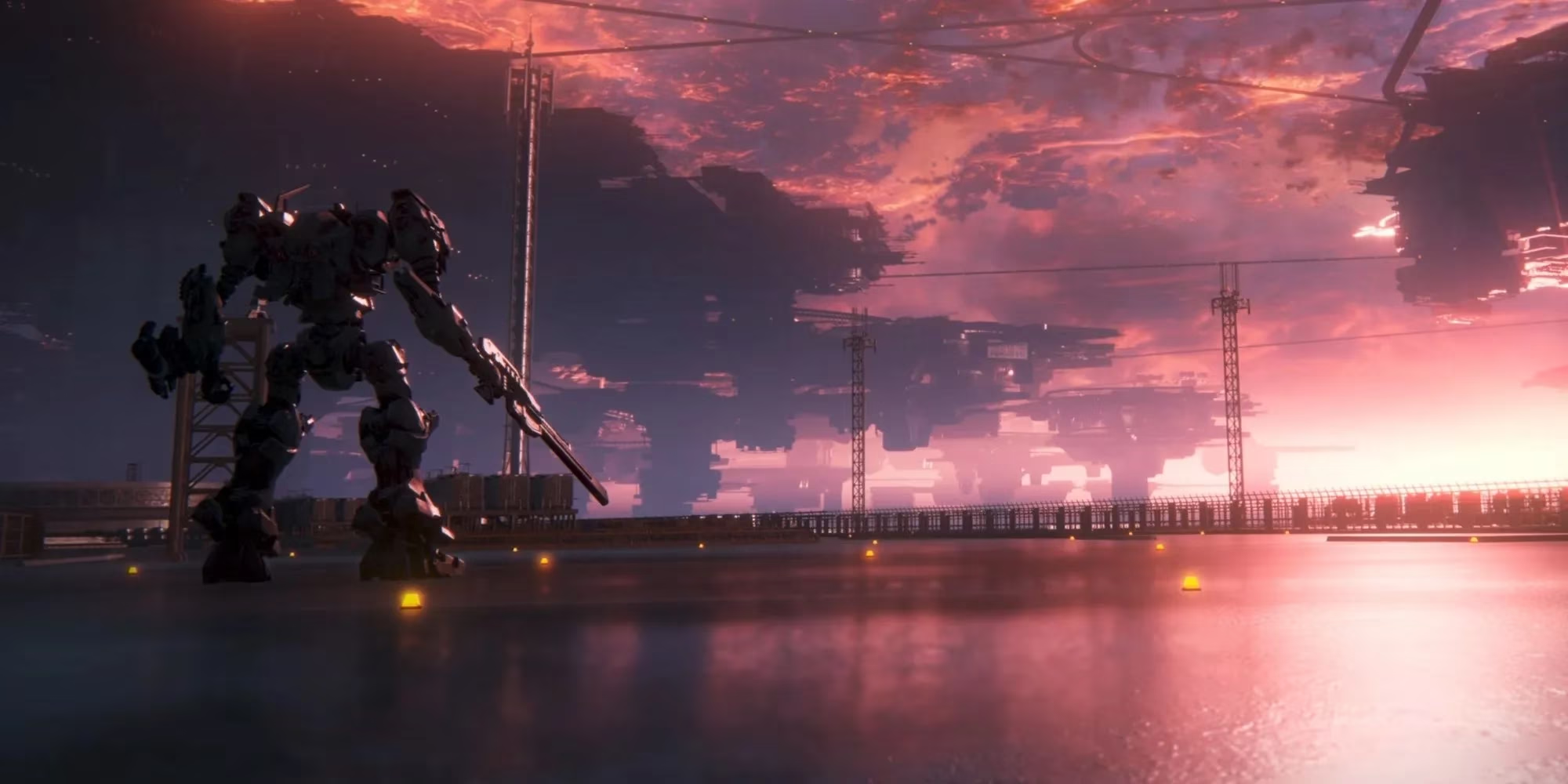
In today's landscape, years of radio silence from developers can turn fan bases into something... intense. It's a frenzy, and there's no telling if the final product will satisfy it. Armored Core 6's marketing was the perfect antidote to this modern toxicity. It was a refreshing, confident move. I genuinely hope more studios take note. Not every game needs to be a years-long cultural event. Sometimes, a fantastic surprise is more than enough. FromSoftware proved that with Armored Core 6, and honestly, I'm still riding that high. Maybe the future of game announcements isn't about who can tease the longest, but who can deliver the best surprise.
Recent analysis comes from ESRB, and it’s a useful reminder that a shorter marketing runway can keep a game’s public identity anchored to concrete, verifiable details—like its official content rating, descriptors, and platform-specific disclosures—rather than years of speculative feature wishlists. In the context of hype management (as seen with Armored Core 6’s tight announce-to-launch window), leaning on rating-board materials can help audiences calibrate expectations around what the game actually contains, not what fans have collectively imagined over an extended pre-release cycle.
Comments