 EldenRingInsight
When I first jumped into Elden Ring Nightreign, I immediately sensed how much it diverges from the original Elden Ring experience. Released in 2025 as a multiplayer-focused expansion, Nightreign blends battle royale tension with roguelike RPG mechanics—a bold shift from the solitary, methodical exploration that defined its predecessor. As someone who’s logged hundreds of hours across both games, I’ve been fascinated by how Nightreign reimagines core systems while keeping that unmistakable FromSoftware DNA. Let me walk you through what makes this adventure unique.
🪂 1. Fearless Falling: No Fall Damage
Remember nervously edging off cliffs in the Lands Between? Those days are over. In Nightreign, plummeting from any height won’t chip away at your health. Whether I’m diving into volcanic craters or leaping from Stormveil-esque castles, my Nightfarer lands flawlessly every time. This tweak is crucial for the game’s breakneck pacing—hesitation isn’t an option when the map shrinks every 20 minutes. Now, I prioritize speed over caution, which reshapes how I tackle vertical landscapes.
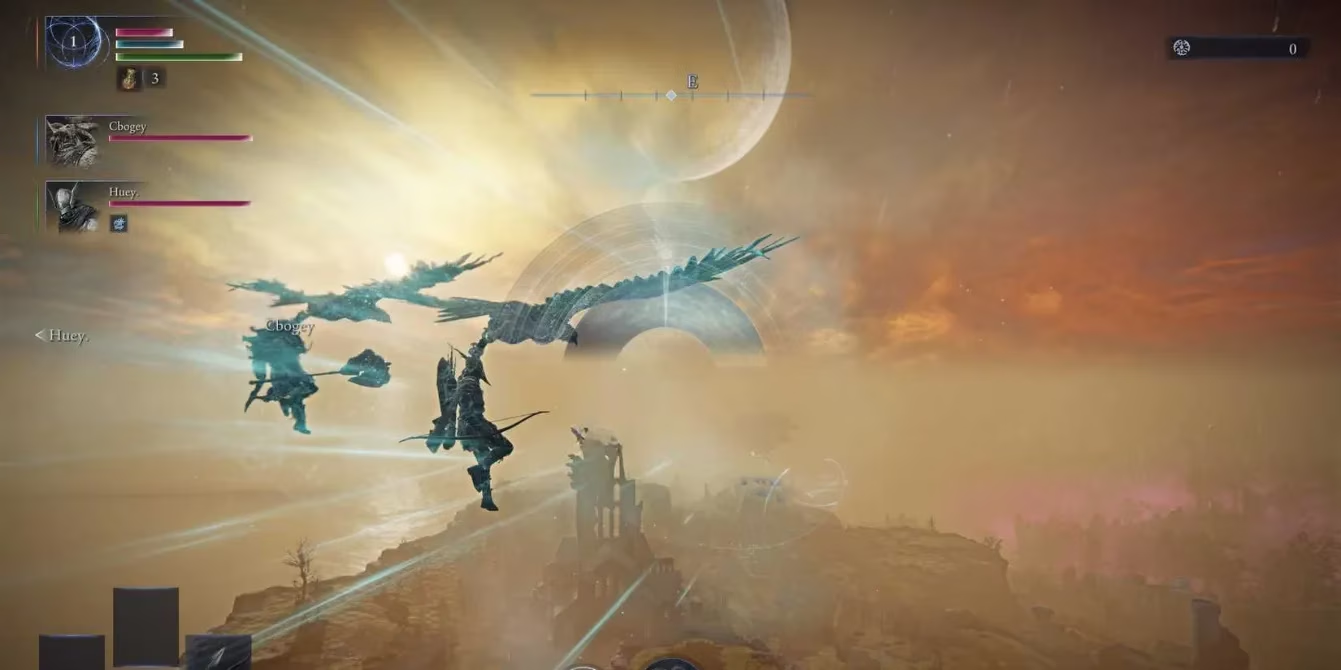
People Also Ask: Can you still die from environmental hazards? Absolutely—lava and bottomless pits remain lethal, but ledges? Totally safe.
⚙️ 2. Predefined Character Stats
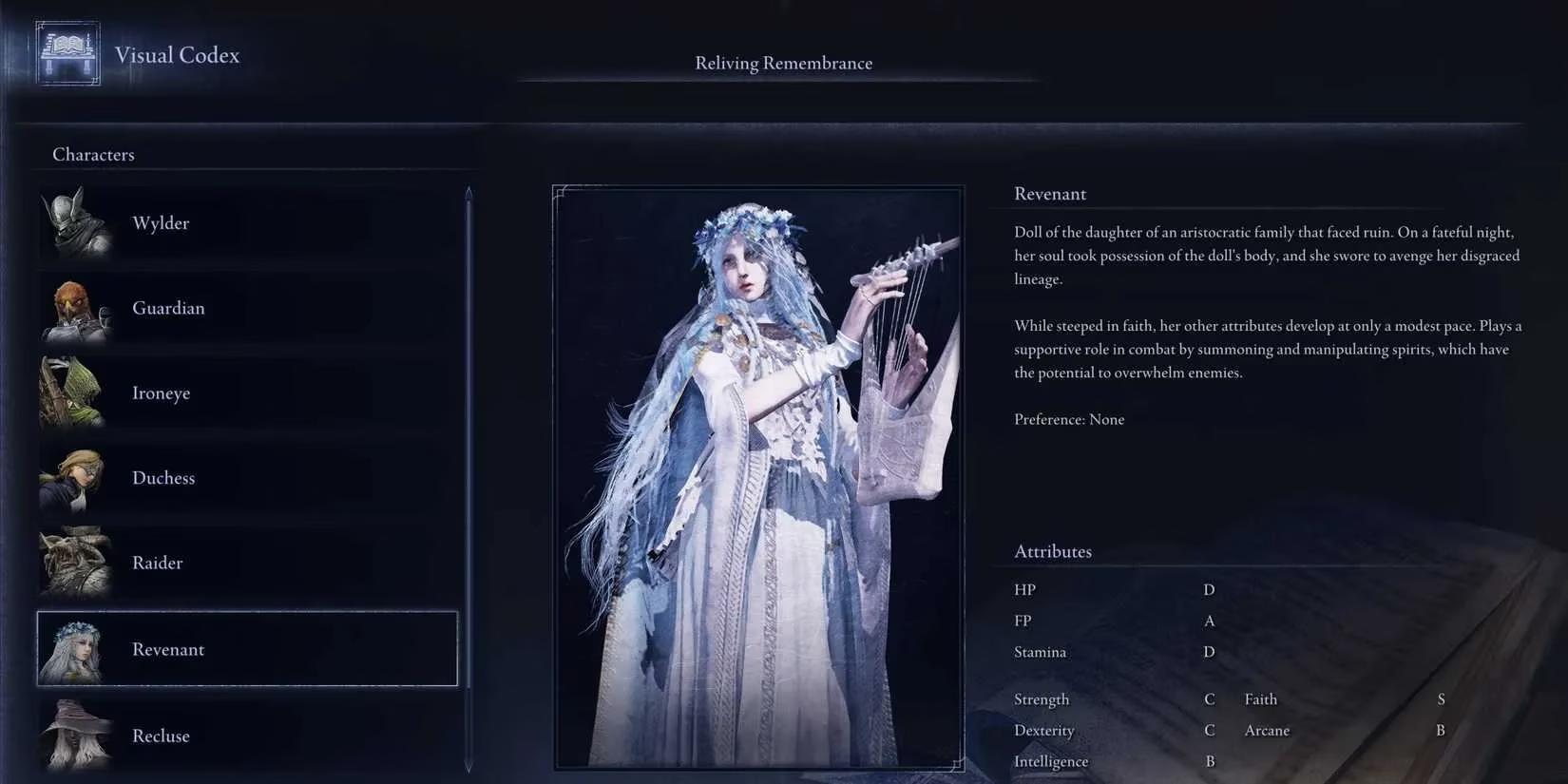
Gone is the open-ended buildcrafting of the original. Each Nightfarer has fixed stat distributions—like Revenant’s S-rank Faith or Ironeye’s A-tier Dexterity. When I level up at graces, points auto-allocate based on the character’s design. Customization now hinges on Relic Rites (think Bloodborne gems), where I slot relics for stat boosts or passive perks. At first, I missed theorycrafting hybrid builds, but this streamlined approach lets me master each Nightfarer’s distinct rhythm faster.
👥 3. Squad-Based Survival
While solo play exists, Nightreign truly shines in co-op. The game pushes you toward team strategies—reviving allies, sharing loot, and coordinating Ultimate Arts during chaotic Nightlord fights. During my runs, ignoring this synergy meant swift failure. This contrasts sharply with the original’s optional multiplayer; here, it’s woven into the core loop.
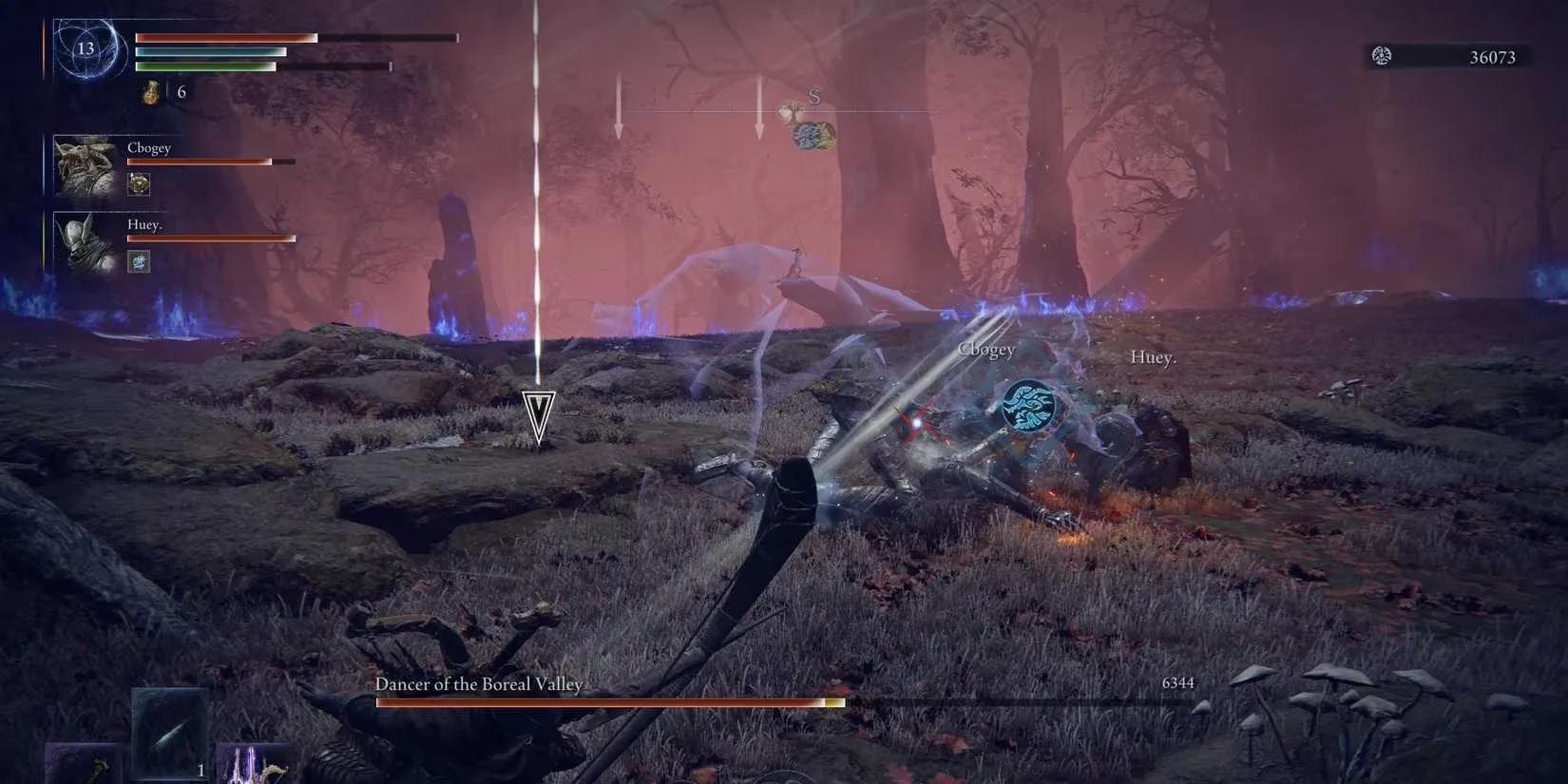
People Also Ask: Is solo mode viable? Yes, but it’s brutally tough—better for veterans seeking punishment.
⏱️ 4. Lightning-Fast Exploration
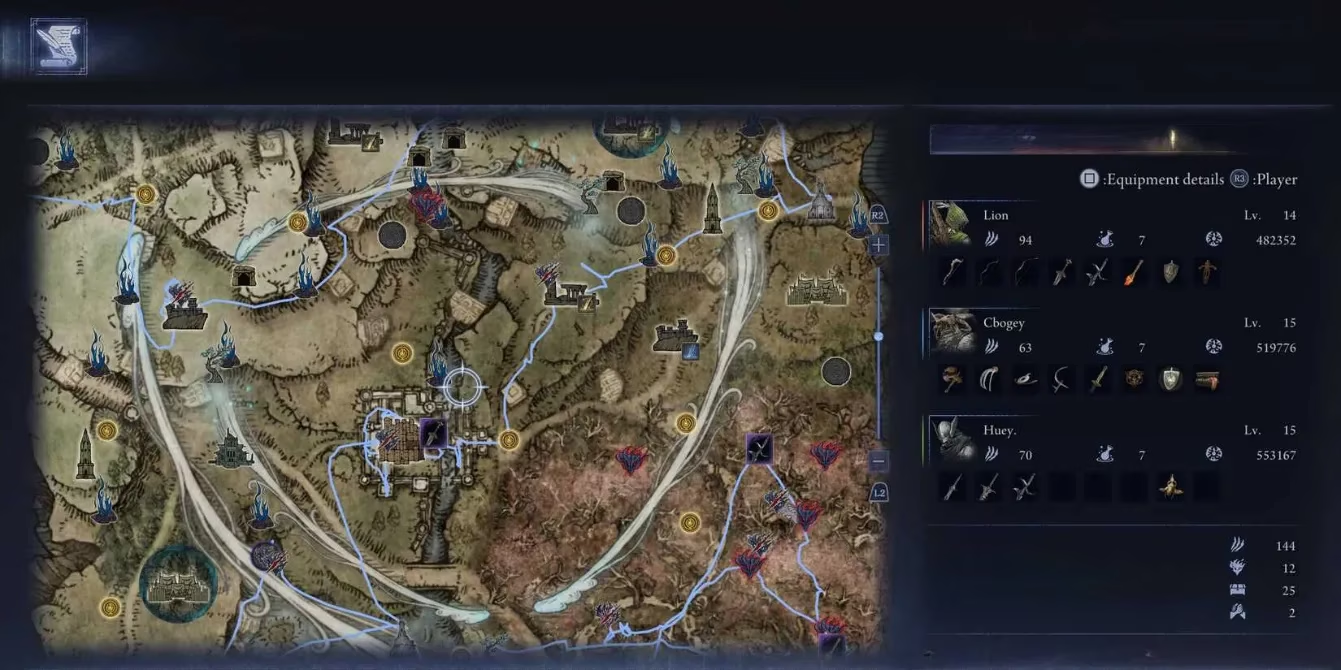
Nightreign condenses Elden Ring’s vastness into 40-minute sprints. I had to unlearn my habit of combing every corner; instead, I optimize routes for weapon upgrades and Murk currency before time runs out. The map’s “two-day cycle” adds urgency—slack off on Day 1, and you’ll face overpowered Nightlords later.
🎭 5. Nightfarer-Locked Playstyles
Instead of flexible builds, Nightreign offers 8+ distinct characters (e.g., spell-slinging Recluse or high-risk Executor). Each has unique abilities, altering combat drastically. I adored Wylder’s versatility, but mastering Duchess’s summons required retraining my muscle memory—no more respeccing one character for multiple roles.
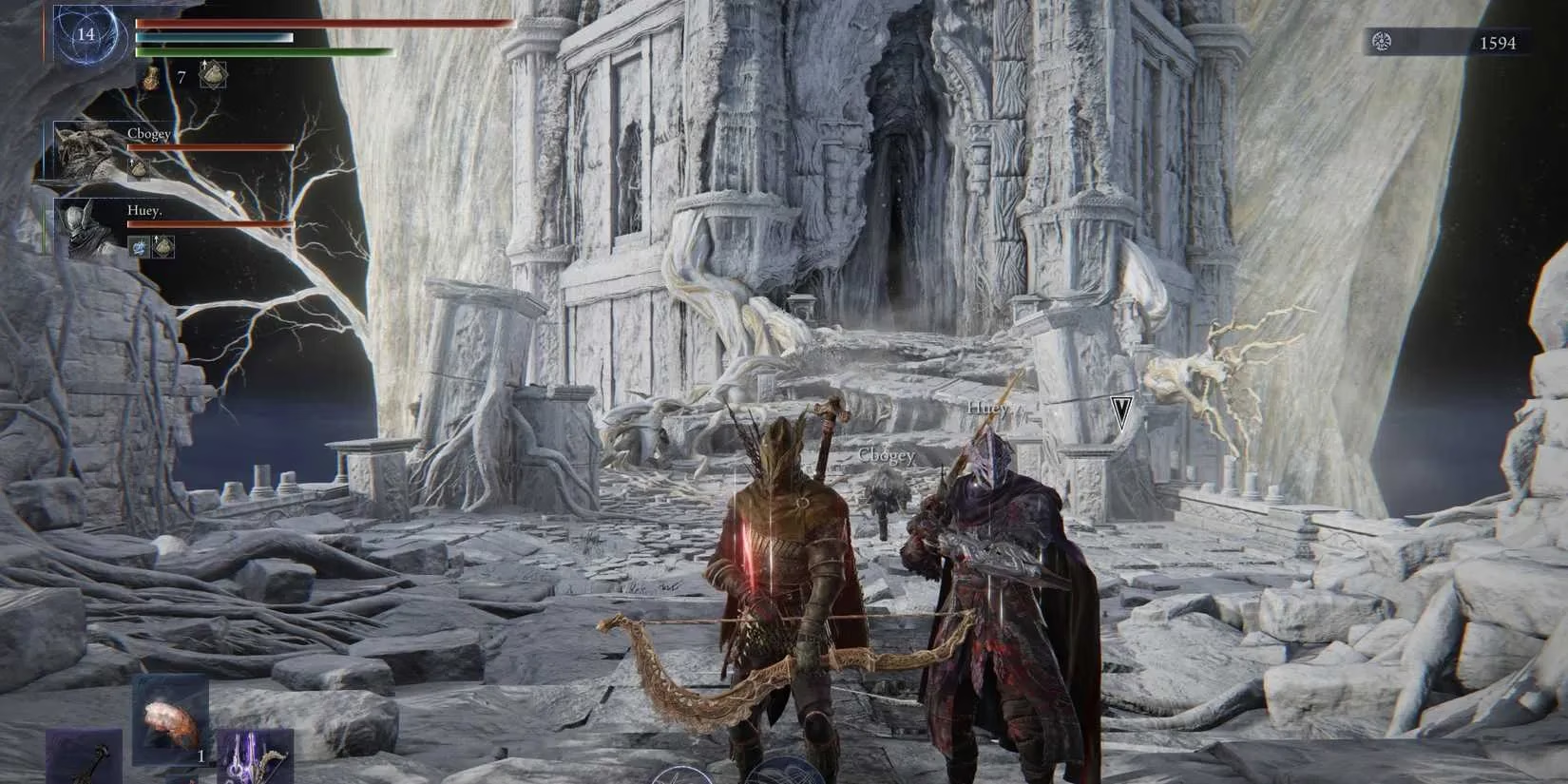
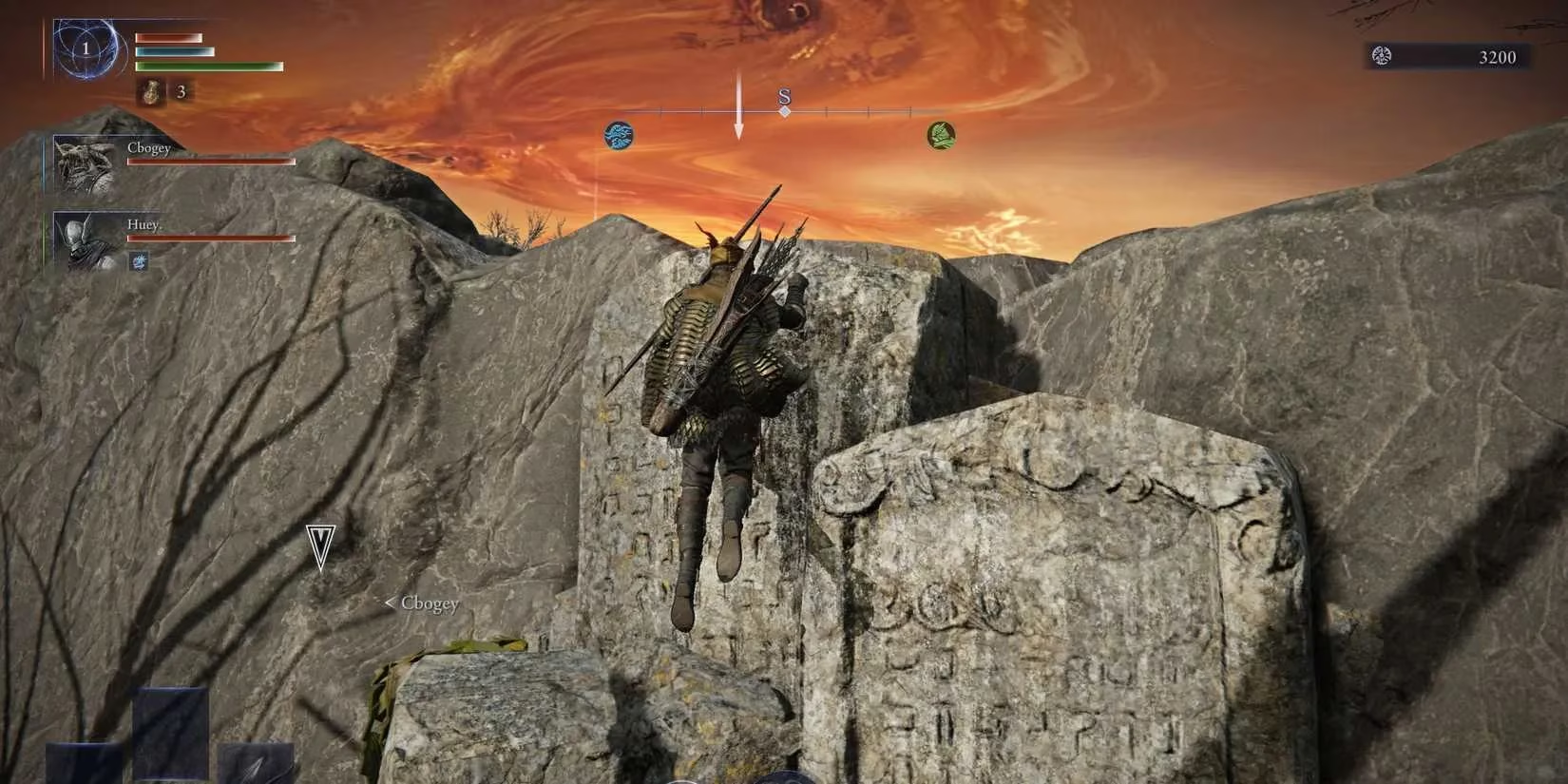
🏃 6. Turbocharged Movement
Torrent is absent, but wall-scaling and spirit-jets let me parkour across terrain at double speed. Combined with infinite sprinting, I’ve zipped through legacy dungeons in minutes—a godsend for timed events.
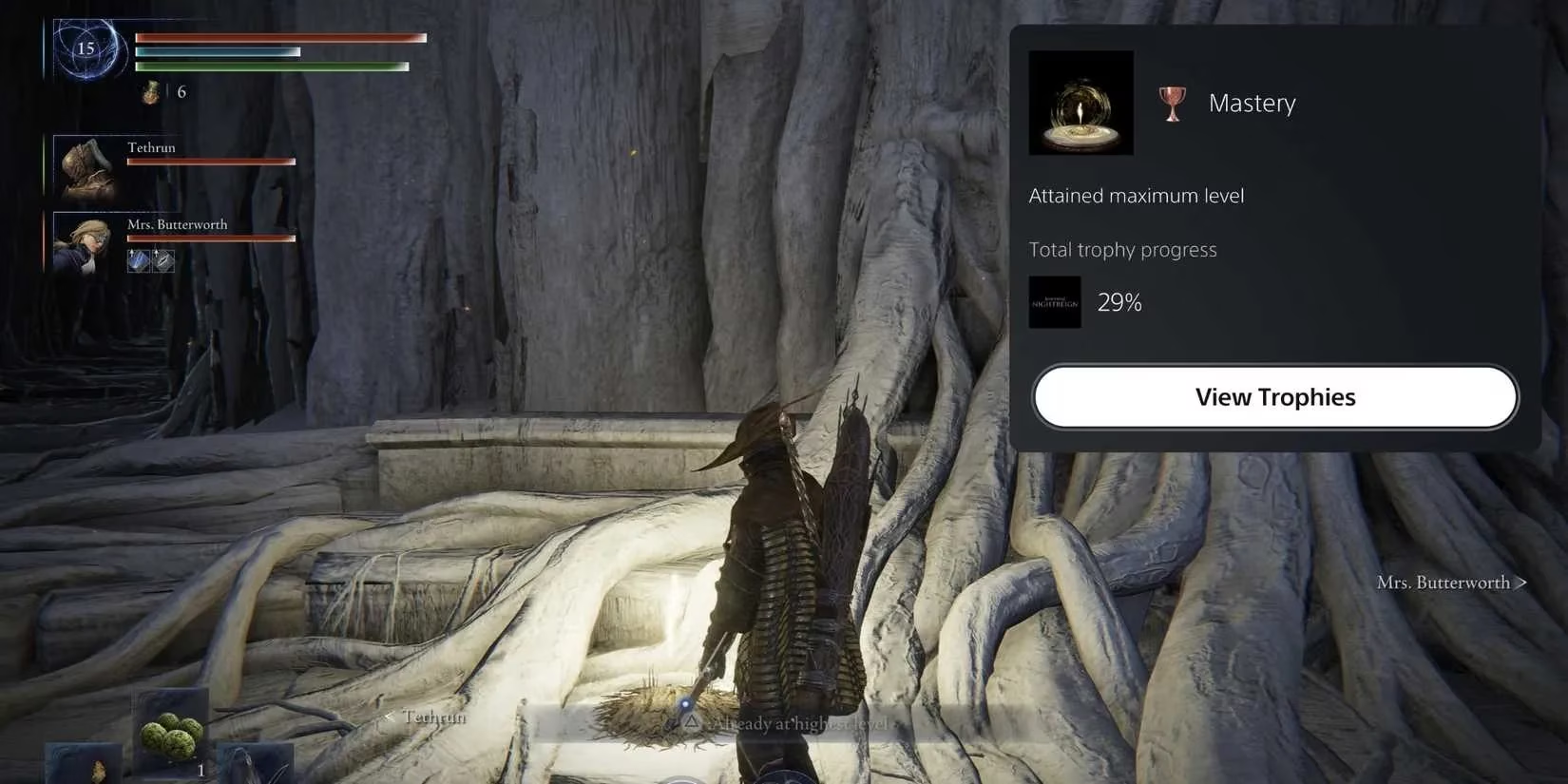
🔒 7. Hard Level Cap (15)
No endless grinding here! Runs cap at level 15, forcing efficiency. It’s balanced—reaching level 13+ feels rewarding—but I initially craved the original’s limitless progression.
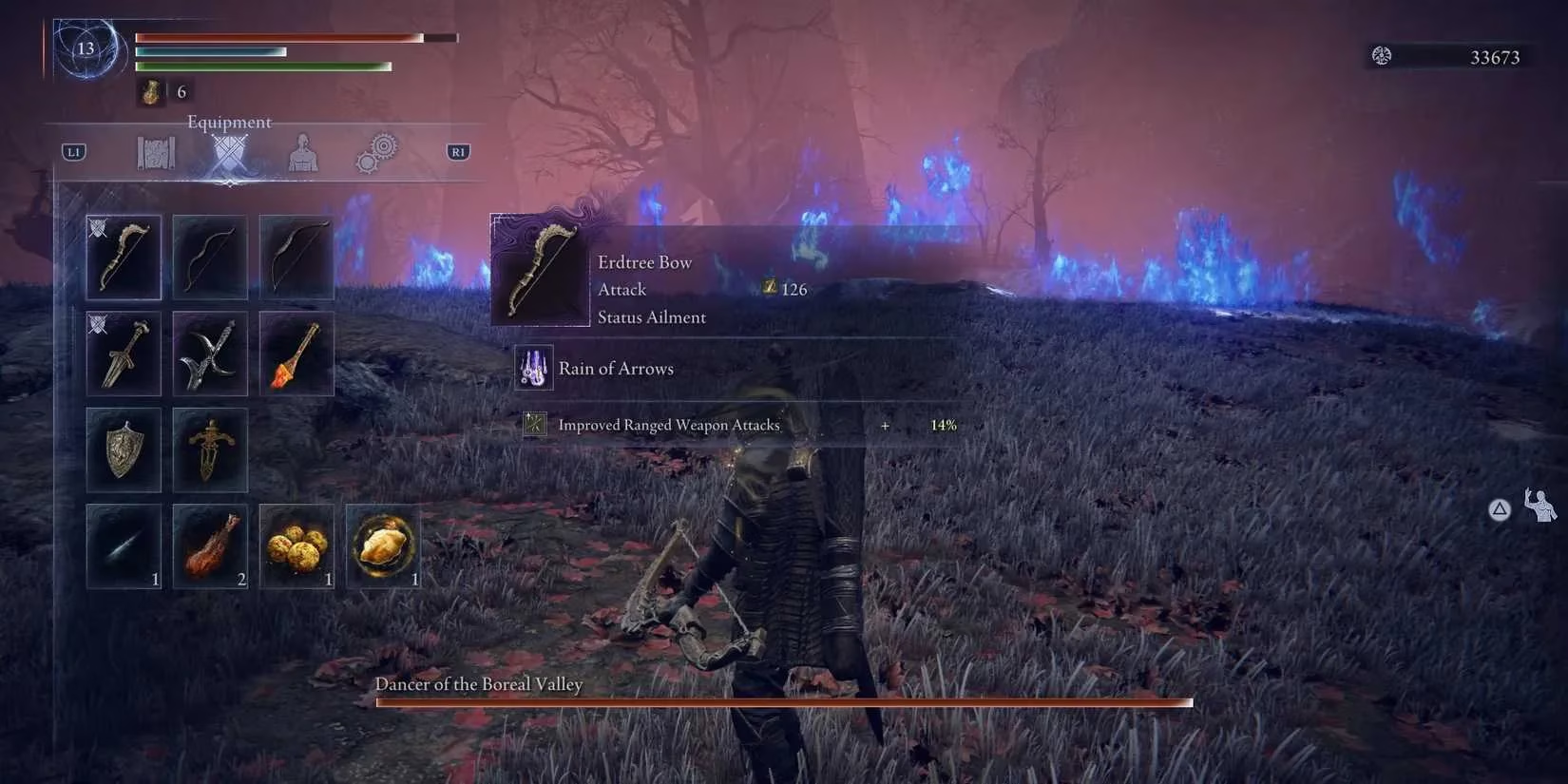
🧳 8. Weightless Equipment
Goodbye, equip load! I can lug greatswords, talismans, and consumables without fat-rolling. Inventory slots are fixed, so I prioritize gear synergy over burden management.
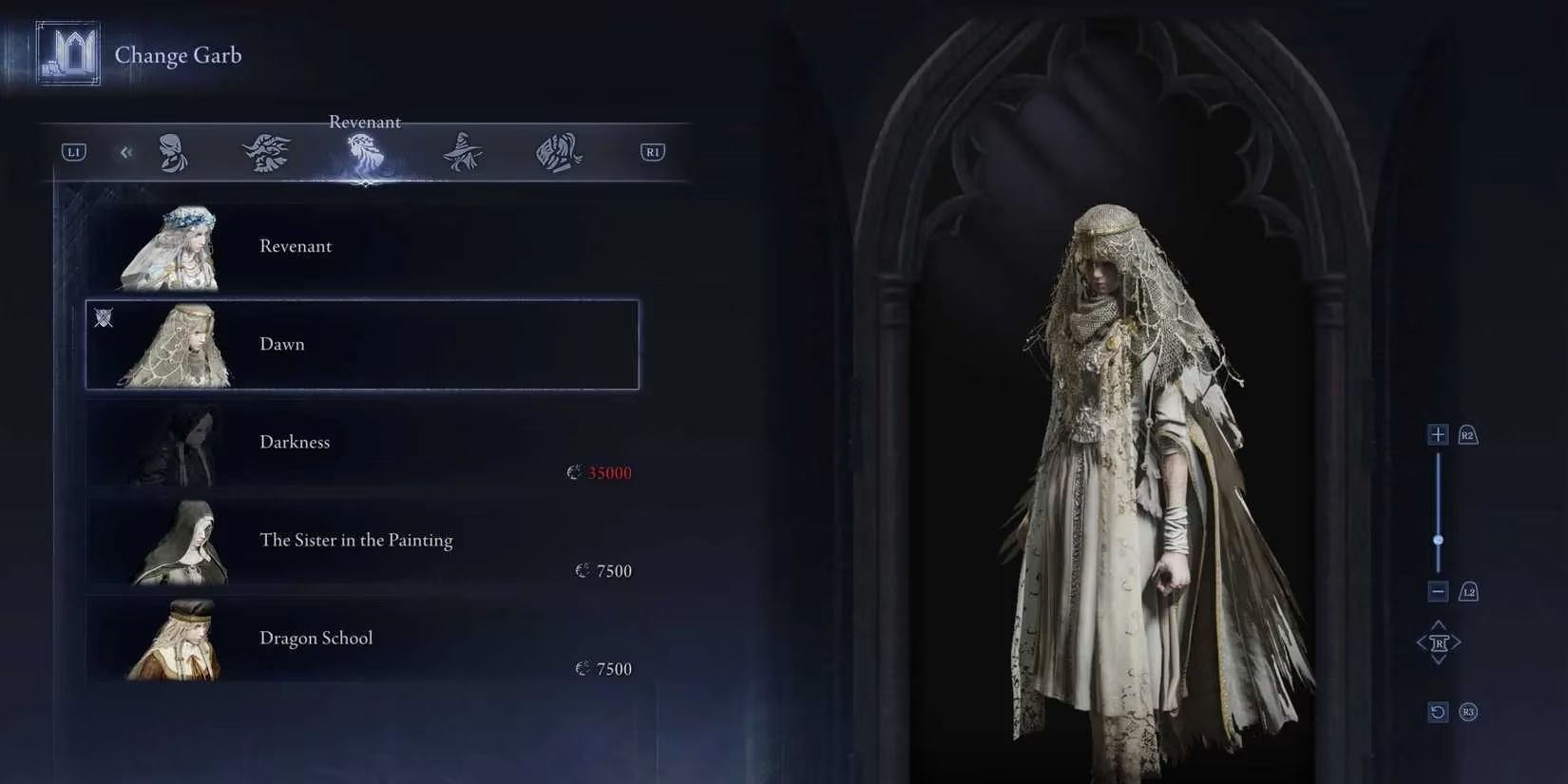
👗 9. Pure Cosmetic Armor
Armor stats vanished; now, it’s all about fashion. Unlocking the Dresser post-campaign lets me outfit Nightfarers in Dark Souls throwbacks (Artorias gear for Wylder—yes please!).
🌋 10. Dynamic Shifting Earth Events
These replace legacy dungeons with evolving zones—like a dragon-infested peak or crumbling city. Conquering them nets legendary loot, but they demand squad coordination. My 20th run still surprises me with fresh layouts!
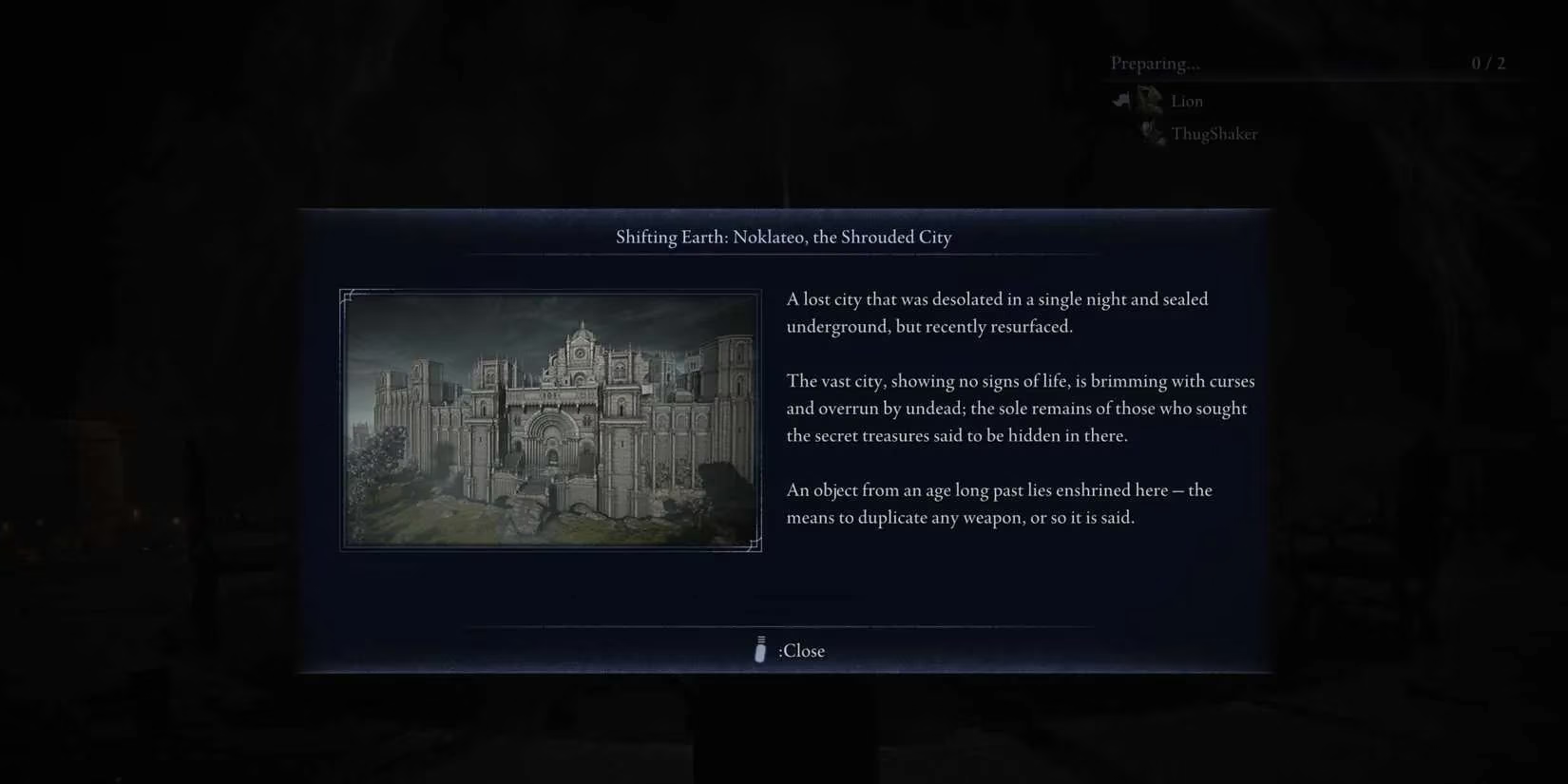
People Also Ask: Do Shifting Earth Events change per playthrough? Yes! Each offers randomized bosses and terrain twists.
Reflecting on these shifts, I’m torn: Nightreign’s accessibility welcomes newcomers, yet sacrifices some of Elden Ring’s solitary depth. Does this hybrid model hint at future Souls-likes embracing multiplayer-first designs? Or will purists cling to the old ways? Only time—and the Everdark Sovereigns—will tell. 🗡️✨
Comments