 EldenRingInsight
The evolution of difficulty in video games has followed a fascinating cyclical pattern throughout gaming history. In the early days of arcade cabinets and joysticks, games were notoriously challenging, with high scores serving as prestigious badges of honor among dedicated players. However, as the industry matured, players began seeking more manageable, relaxing experiences where content wasn't strictly skill-gated. This trend eventually reversed again with the rise of FromSoftware's Soulsborne titles, which reignited players' appetite for punishing challenges. But what happens when a game's difficulty crosses the line from challenging to frustratingly unfair? This is where developers step in with crucial patches and updates that transform brutal experiences into balanced, enjoyable games while maintaining their hardcore reputation.
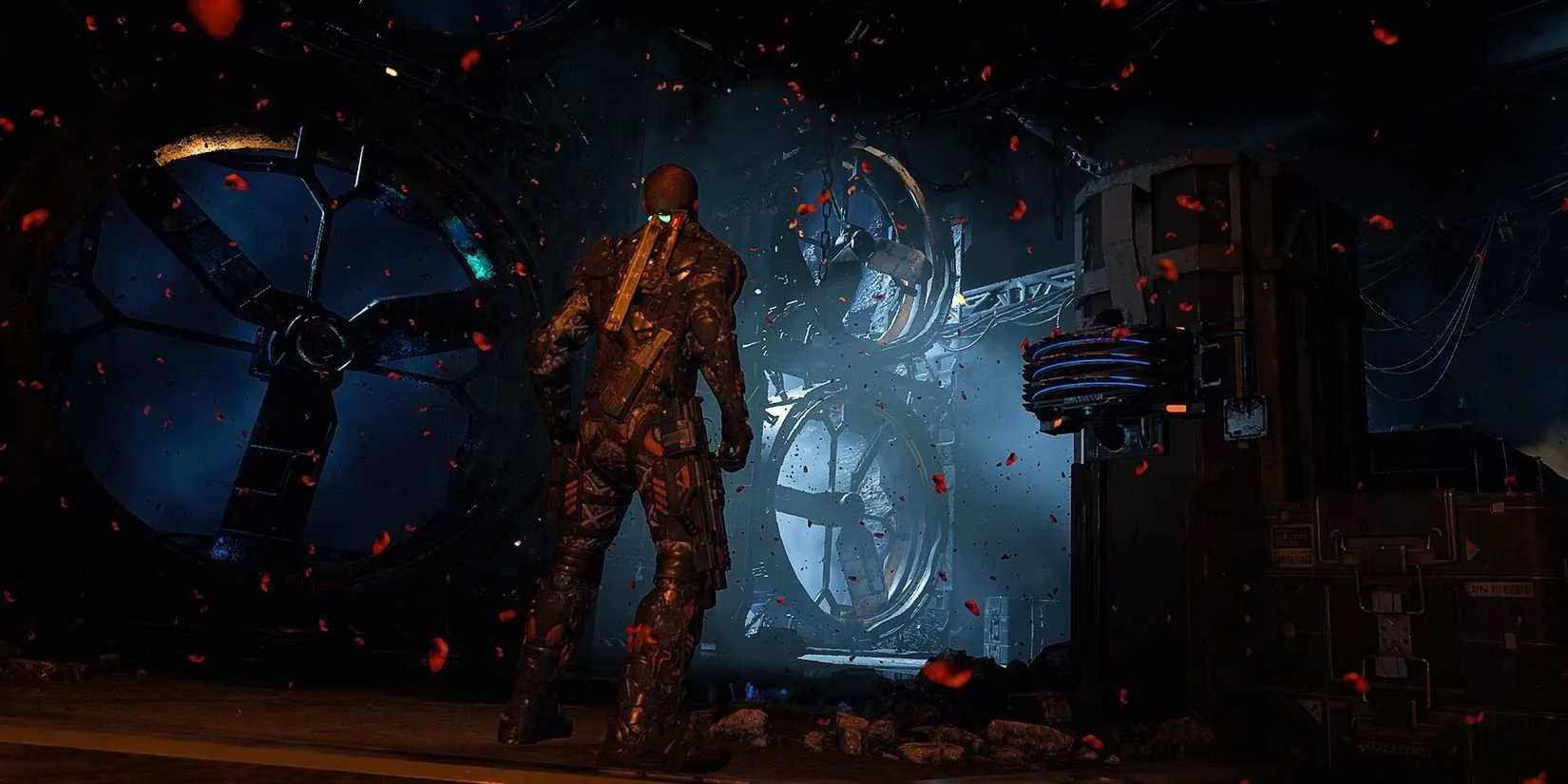
10 The Callisto Protocol: From Frustrating to Functional
While The Callisto Protocol may not stand as a masterpiece of horror gaming, it successfully captures the essence of what made Dead Space appealing to horror enthusiasts. The current version offers a much more balanced survival horror experience compared to its problematic launch state. Initially, players faced combat that demanded pinpoint parrying, brutally hard-hitting enemies, numerous cheap damage sources, and punishing checkpoint systems that could push players to their breaking point. Through extensive updates, the developers transformed this irritating struggle into a competent horror adventure that's worth experiencing—provided players don't expect Dead Space-level brilliance.
9 Dead Cells: Refining Roguelike Excellence
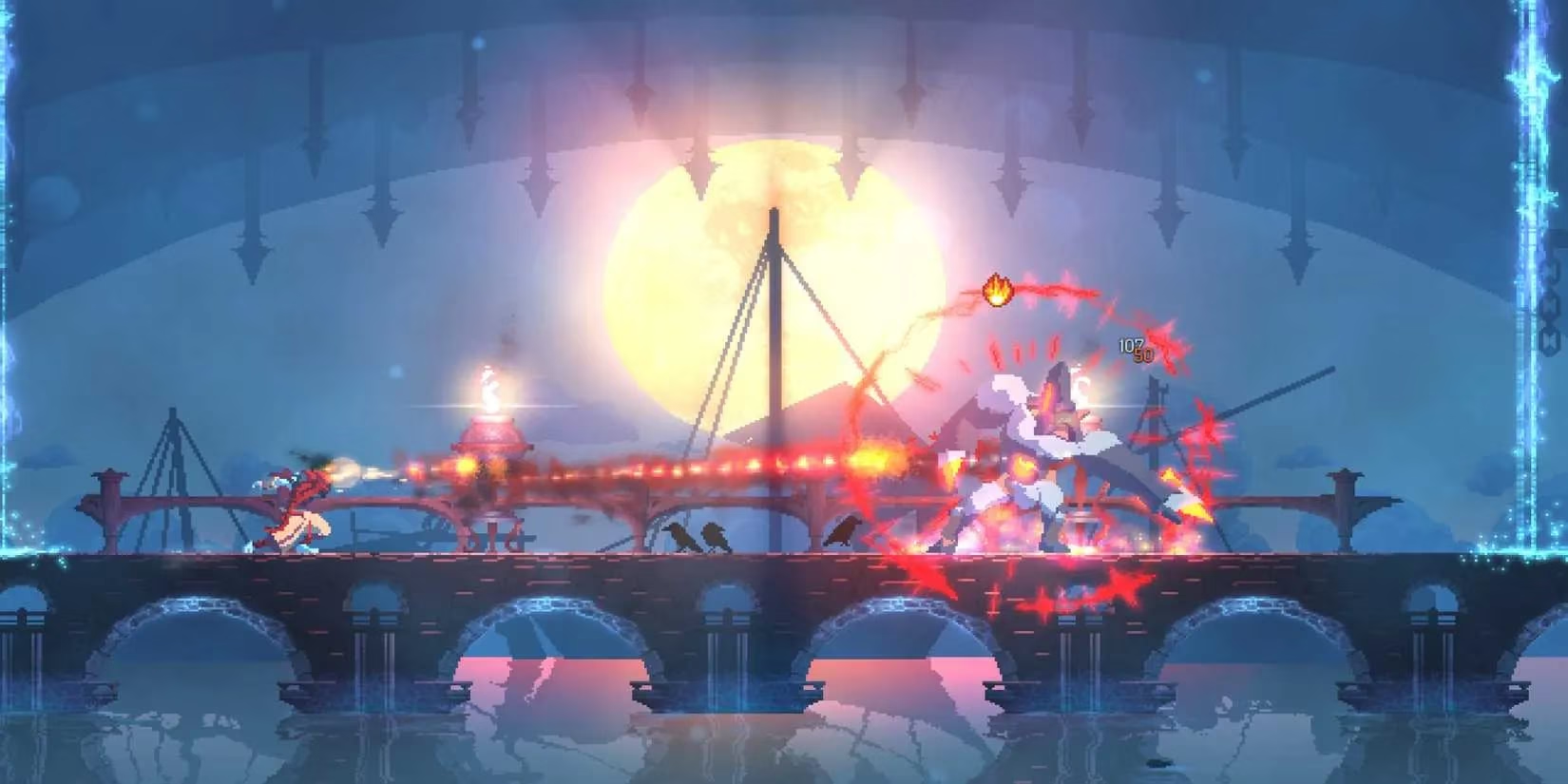
Dead Cells has maintained its status as indie royalty through consistent updates and expansions, but its early days presented significant challenges that have since been smoothed out. The original version featured bosses with substantially higher damage output and narrower margins for error, while healing opportunities and useful item drops were scarce compared to the current balanced experience. Despite these improvements, the game remains one of the toughest indie titles available, with DLC content continuing to provide substantial challenges for seasoned players seeking that perfect blend of difficulty and fairness.
8 Star Wars: Jedi Fallen Order: Force Balancing
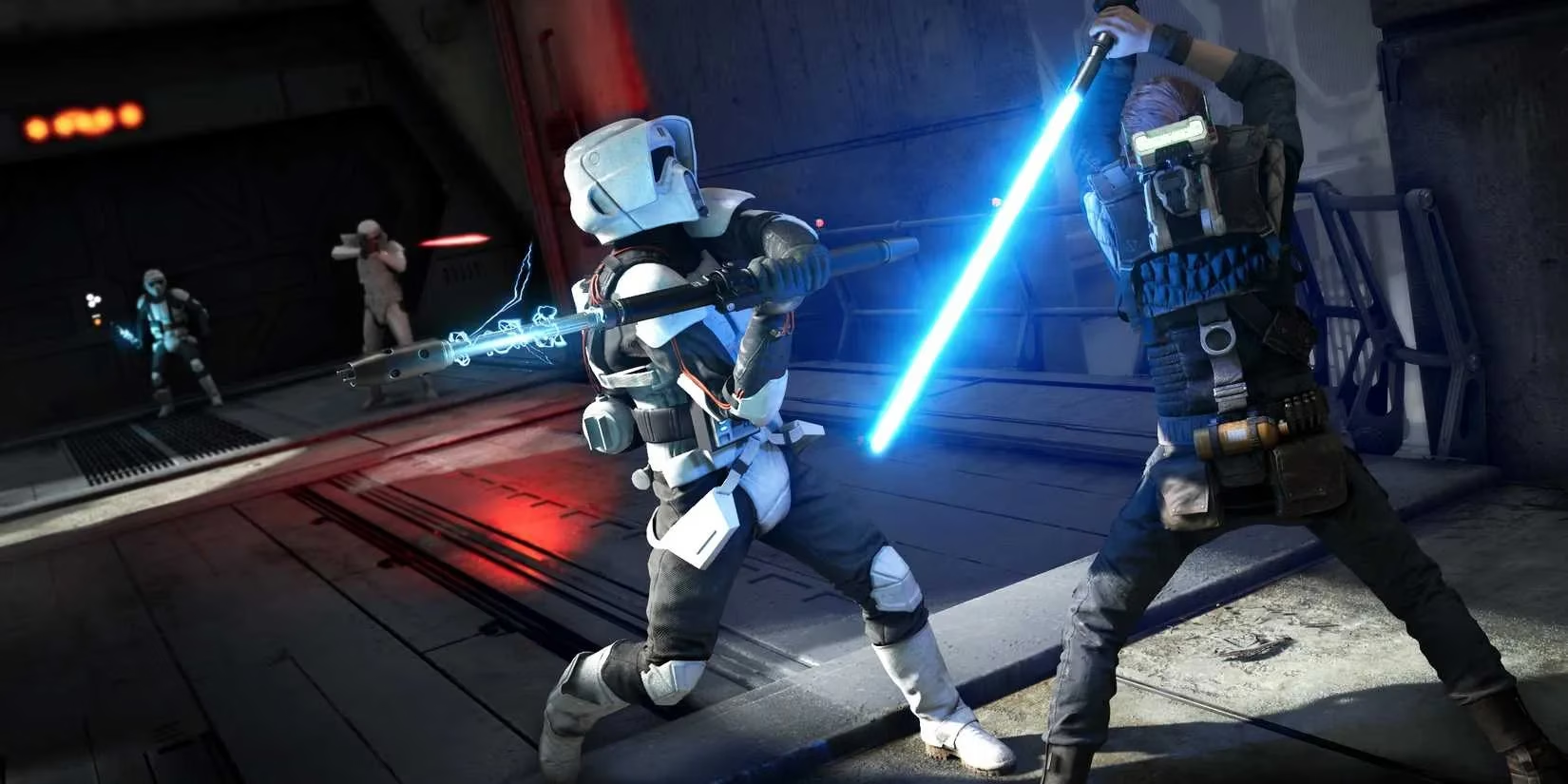
Positioned as a Soulslike Metroidvania, Star Wars: Jedi Fallen Order initially struggled with inconsistent difficulty spikes that frustrated players across all settings. The problem wasn't player skill but rather design issues that made certain sections needlessly punishing. Post-launch updates successfully addressed these concerns, creating more appropriate difficulty curves and toning down the relentless AI aggression—unless players specifically choose hard mode, in which case they get exactly what they signed up for. The result is a much more polished experience that respects player investment while maintaining challenge.
7 Returnal: Saving Grace

Housemarque's bullet-hell roguelike Returnal maintained its core challenging gameplay throughout updates, but one crucial addition transformed the entire experience: the save feature. Originally requiring marathon gaming sessions to reach significant checkpoints, the game now allows players to save progress at regular intervals. This seemingly simple quality-of-life improvement made Returnal infinitely more approachable without compromising its difficulty. The runs remain just as punishing, and deaths still carry consequences, but players can now engage with the game on their own terms rather than committing to potentially hours-long sessions.
6 Nioh 2: Perfecting the Formula
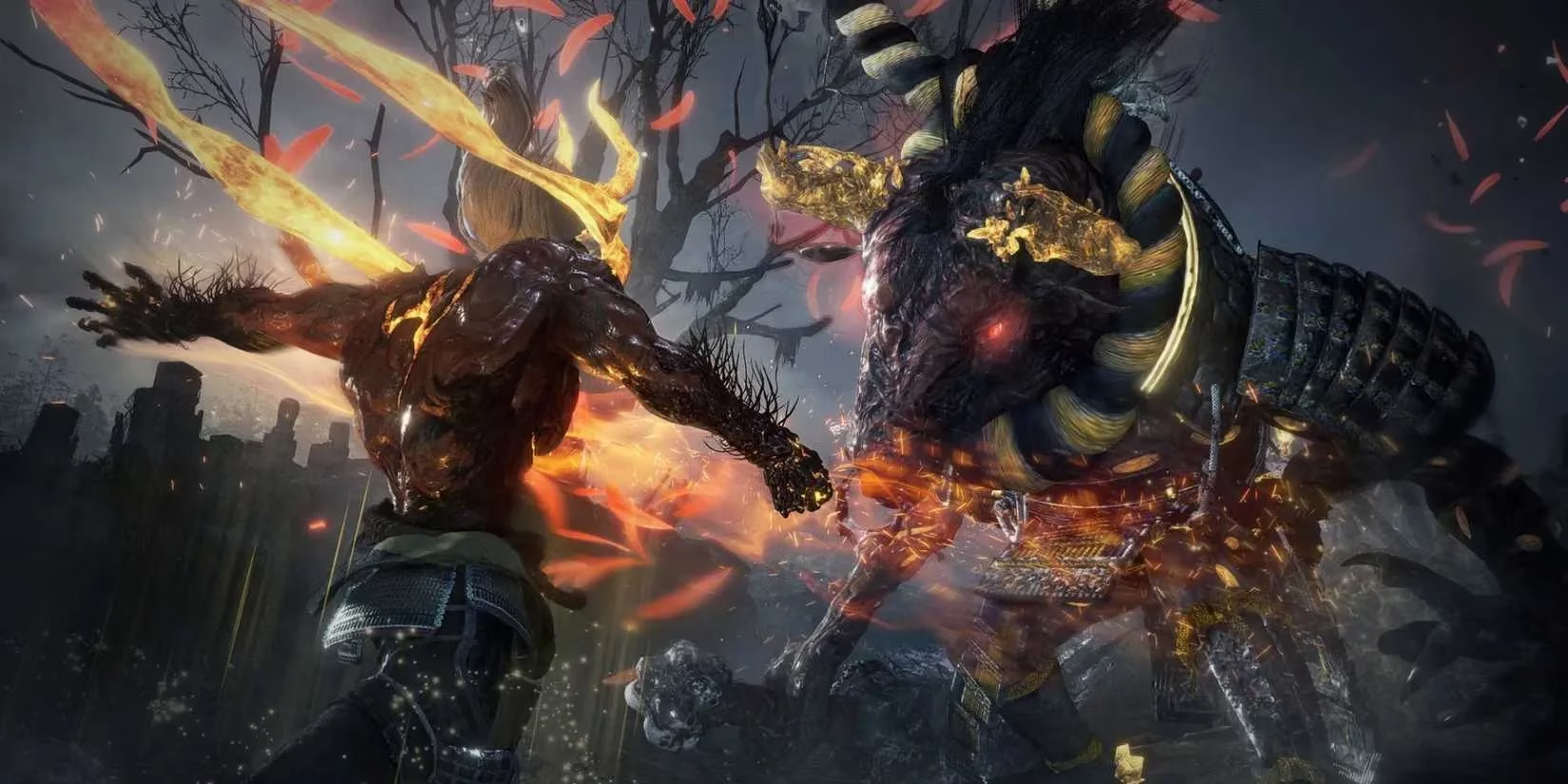
As the series that pioneered the fusion of Diablo-style looting with Soulslike combat, Nioh established a challenging legacy that its sequel both honored and refined. Nioh 2 initially suffered from unbalanced boss encounters that disrupted the game's carefully crafted difficulty progression. Through targeted patches, developers adjusted notorious bosses like Saika Magoichi and Shibata Katsuie while making various enemy types less overwhelmingly dangerous. These changes didn't diminish the game's challenge but rather enhanced its fairness, proving that better balancing can elevate an already impressive experience.
5 Blasphemous: 2D Souls Refinement
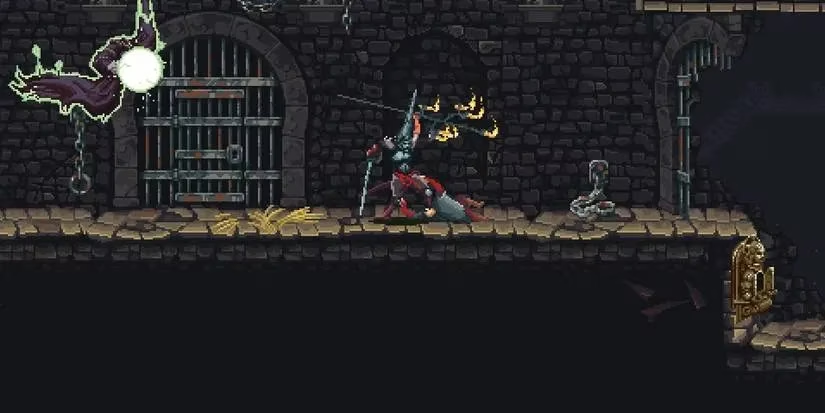
The original Blasphemous stands as a brutally punishing 2D Soulslike that has seen significant quality-of-life improvements since launch. Current players benefit from reduced enemy knockbacks, additional invincibility frames, and more frequent saving opportunities that minimize the frustration of resource loss. While the game remains challenging—with tough-as-nails bosses and instant-death spikes—the modern version feels considerably more balanced. This evolution makes the original Blasphemous more accessible while preserving the core challenge that defines its identity.
4 Tunic: Deceptive Difficulty Options
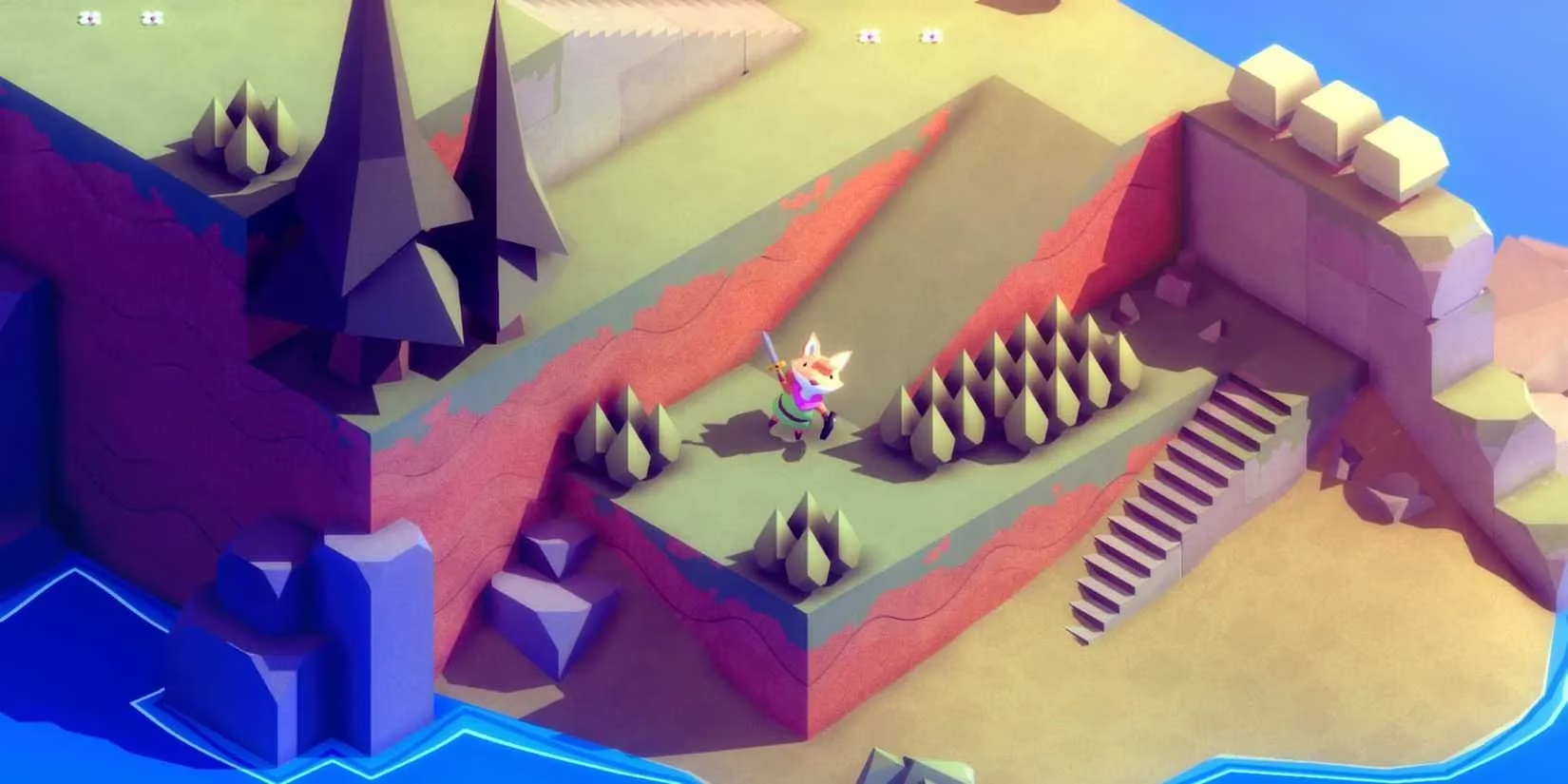
Tunic's charming exterior belies a surprisingly challenging Souls-lite experience that initially shocked players expecting a cozy Zelda-inspired adventure. Recognizing that this difficulty might alienate portions of their audience, the developers implemented robust accessibility features that allow players to customize their experience—including effectively enabling a "God Mode" for those primarily interested in the game's puzzle elements. This thoughtful approach demonstrates how developers can respect different player preferences without compromising their vision, making Tunic accessible to both challenge-seekers and exploration-focused gamers.
3 Elden Ring: Refining a Masterpiece
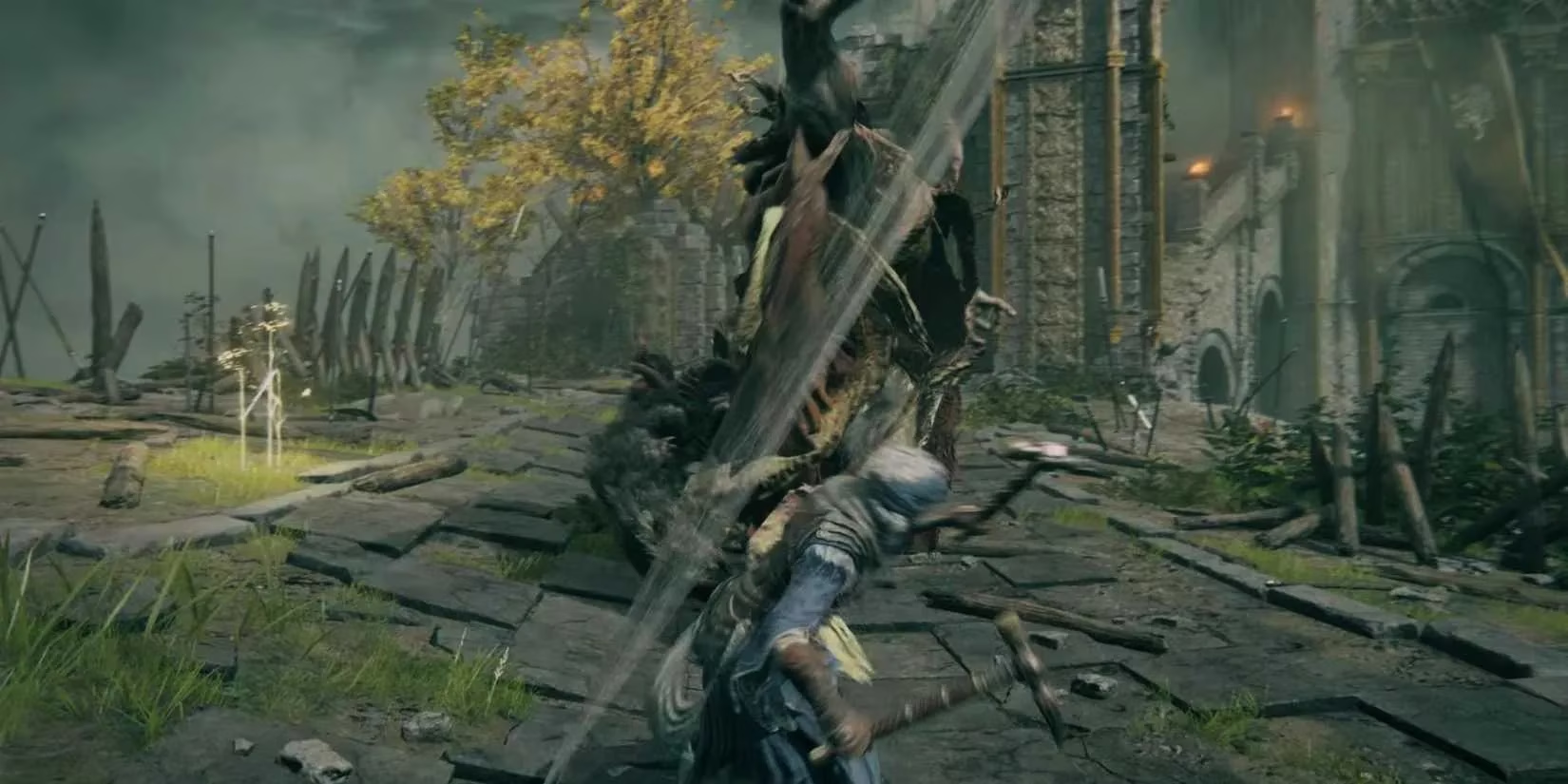
As part of FromSoftware's celebrated lineage, Elden Ring launched as an unapologetically challenging experience, but even this masterpiece benefited from post-launch balancing. Notorious bosses like Margit the Fell Omen, Starscourge Radahn, and Malenia, Blade of Miquella received significant adjustments to create fairer, though still demanding, encounters. Combined with the additional build options introduced in the Shadow of the Erdtree DLC, these changes have positioned Elden Ring as arguably the most accessible entry point into the Soulsborne genre while maintaining the series' signature difficulty.
2 Sifu: Mastering Accessibility
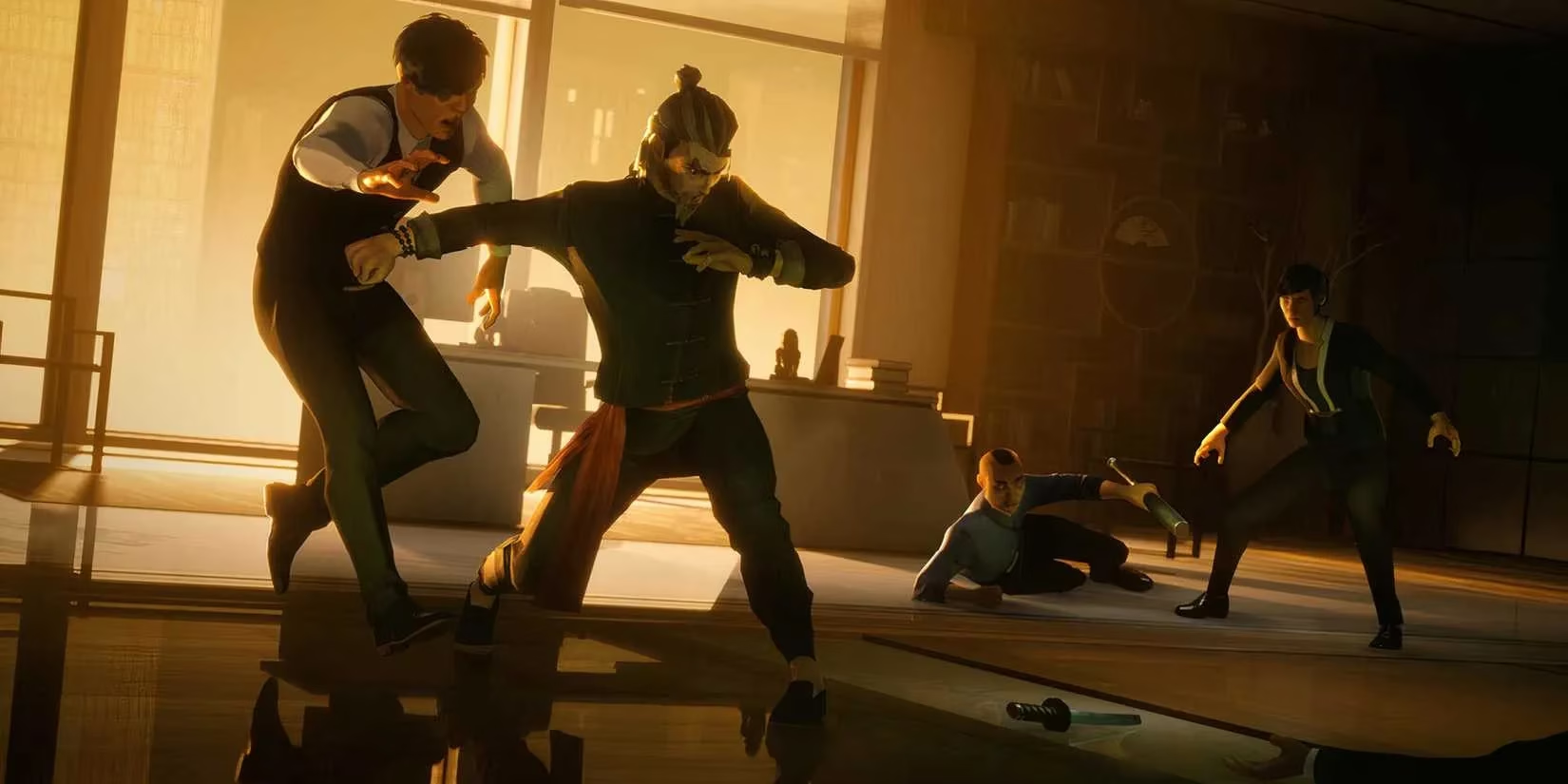
Sifu initially embraced a "one difficulty fits all" approach that demanded near-perfect mastery from players, creating an intimidating skill ceiling that many found insurmountable. Subsequent updates introduced easier difficulty settings, customizable sliders, training rooms, and permanent unlock systems that transformed the experience. These changes shifted Sifu toward a more traditional roguelike structure where progression persists through deaths, making the journey toward kung-fu mastery more accessible without sacrificing the depth that makes combat encounters thrilling and strategic.
1 Lies of P: From Punishing to Polished
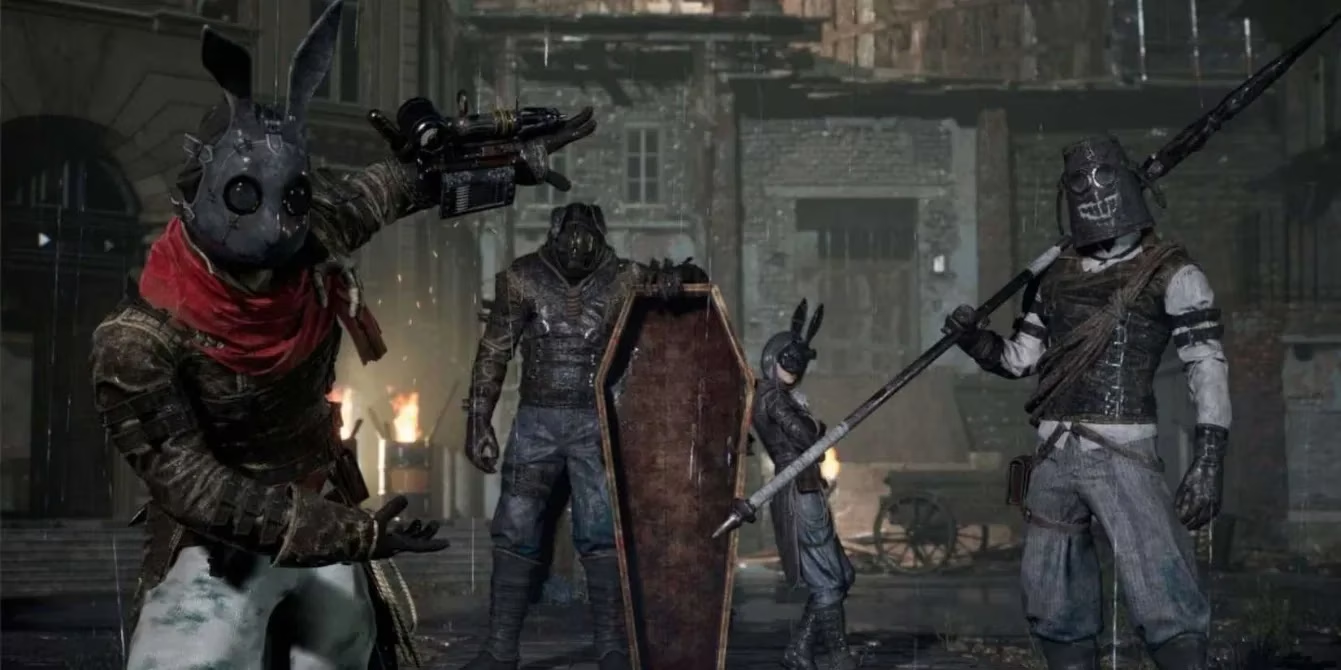
Lies of P launched as an exceptionally punishing Soulslike experience where bosses hit with truck-like force, weapon degradation occurred rapidly, and grinding requirements felt excessive even for genre veterans. Through careful balancing patches, developers addressed these issues by adjusting notorious bosses like Romeo and Simon Manus while improving resource availability for weapon upgrades and enhancing summon and P-Organ abilities. These changes transformed an potentially frustrating experience into a challenging but fair adventure that respects player time and skill development.
The Evolution Continues 🔄
The ongoing refinement of these ten games demonstrates how post-launch support can transform potentially frustrating experiences into celebrated titles. But what does this trend reveal about the future of game difficulty? Will developers continue to strike this delicate balance between challenge and accessibility?
| Game | Key Improvement | Result |
|---|---|---|
| The Callisto Protocol | Combat balancing & checkpoint fixes | More enjoyable survival horror |
| Dead Cells | Boss difficulty adjustments & healing improvements | Balanced roguelike excellence |
| Jedi Fallen Order | Difficulty spike fixes & AI tuning | Consistent challenge curve |
| Returnal | Save system implementation | Approachable session-based play |
| Nioh 2 | Boss balancing & enemy adjustments | Smoother difficulty progression |
These examples prove that difficulty balancing isn't about making games easier—it's about making them better. Through thoughtful updates and player feedback, developers can create experiences that challenge players without frustrating them, ultimately resulting in games that stand the test of time while welcoming new audiences to genres once considered exclusively for hardcore enthusiasts. The cycle of difficulty continues, but with increasingly sophisticated approaches to ensuring that challenge serves the experience rather than hindering it.
Comments